
Which 4×4 Should You Rent For The Ideal East Africa Safari
There Isn’t One Best 4×4 for Every Safari
Choosing a 4×4 for an East African safari can feel confusing, especially when you start comparing Land Cruisers, Prados, pickups and other safari vehicles.
The truth is, there isn’t one vehicle that is perfect for every traveller.
The right 4×4 depends on where you’re going, how many people are travelling, the type of roads you’ll encounter, whether you’re carrying camping equipment and how much time you’ll spend inside national parks or on longer road journeys.
A couple travelling between towns and safari parks may have very different needs from a family carrying camping equipment or travellers planning a multi-country journey from Kenya to Tanzania.
That’s why we don’t recommend choosing a vehicle simply because it is the biggest or most expensive option.
Choose the vehicle for the journey you’re actually planning.
A simple way to start
Before comparing individual vehicles, think about these five things:
-
- Your route: Which countries, national parks and remote areas are you planning to visit?
- Your group: How many people will be travelling, and how much luggage will you carry?
- Your travel style: Are you mainly travelling between Safari Destinations, spending long days inside national parks, or taking a longer road trip?
- Your camping plans: Will you stay in lodges and hotels, or will you carry a rooftop tent and camping equipment?
- Your budget: Do you need a highly capable safari vehicle for demanding routes, or would a comfortable 4×4 SUV meet your needs?
Once you know these things, choosing the right vehicle becomes much easier. And importantly, you don’t always need the biggest 4×4 available.
Our aim is to help you find a vehicle that gives you the capability, comfort and space you need for your particular journey, without paying for a vehicle that your trip doesn’t require.
Start With Your Trip, Not the Vehicle
Before choosing a right 4×4, start with the journey.
A vehicle that works perfectly well for a road trip between major towns may not be the best choice for spending several days inside national parks. Likewise, a couple travelling with light luggage may not need the same vehicle as a family carrying camping equipment.
Think about your trip first, then choose the vehicle around it.
Classic Wildlife Safari
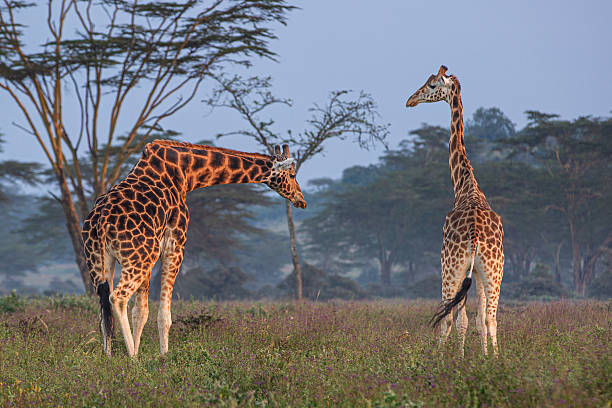
Think about a vehicle with good ground clearance, dependable 4WD capability, comfortable seating and enough space for the people and luggage travelling with you.
This becomes particularly important when your itinerary includes extended game drives or rougher park roads.
Long East African Road Trip
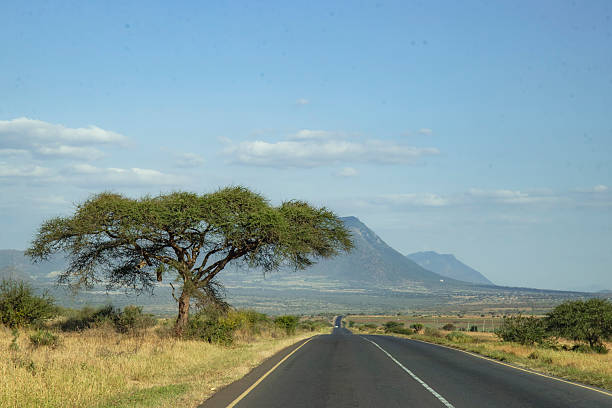
Comfort becomes just as important as off-road capability.
You may spend several hours on the road between safari destinations, towns and border crossings, so consider a vehicle that gives you a good balance of comfort, reliability, luggage space and capability.
Self-Drive Camping Adventure
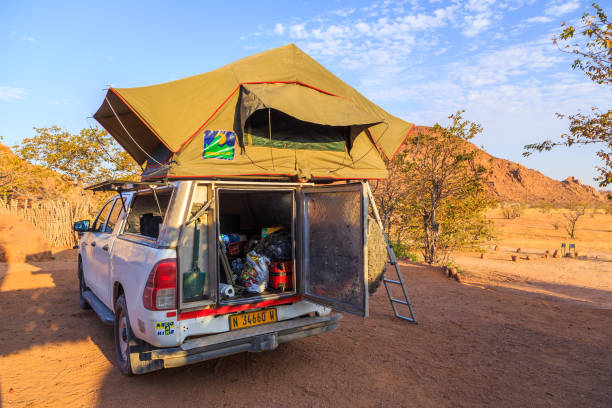
Your vehicle needs to do more than get you from one destination to another.
You need to think about the camping setup
This includes: luggage, equipment, passengers, storage and the roads you expect to encounter.
Multi-Country Journey
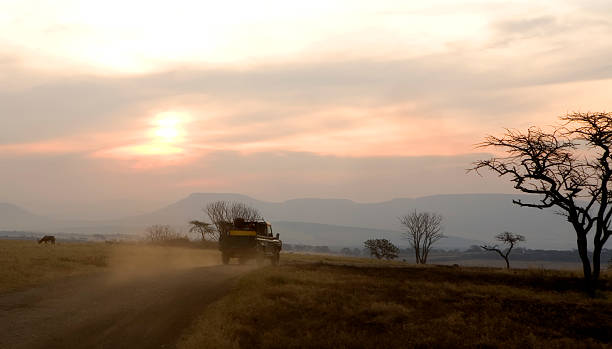
Your vehicle choice should be considered together with the route.
A journey such as Kenya → Tanzania or Uganda → Kenya → Tanzania involves more than simply choosing a capable 4×4. You’ll also need to consider cross-border permissions, vehicle documentation, border procedures and the practical requirements of your rental
Family or Small Group Safari
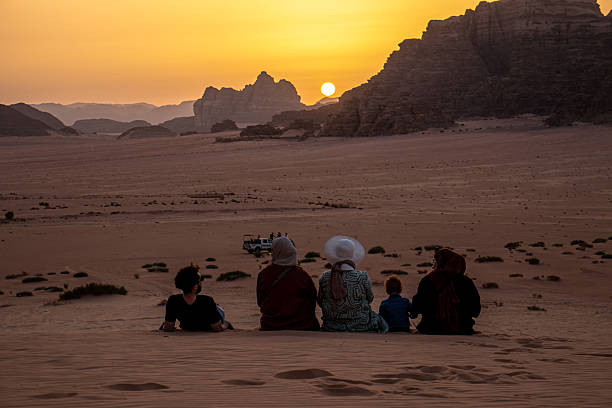
Space matters.
Think about passenger comfort, luggage capacity, visibility, driving distances and how much equipment you’ll carry.
A vehicle that feels comfortable for two people may feel very different when it’s carrying a full group and luggage for two weeks.
Photography or Longer Wildlife Drives
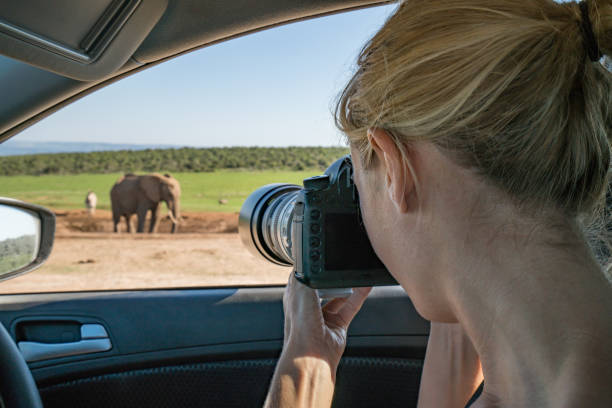
Your priorities may be slightly different.
You may spend long periods inside parks, carry photography equipment and want a vehicle that gives you enough space and flexibility to spend more time observing wildlife.
How Many People Are Travelling?
The number of people you are travelling with either solo or as a group is one of the first things to consider when choosing a 4×4 for an East African safari.
But don’t look at the seating capacity alone. You also need to think about luggage, camera equipment, camping gear and how comfortable everyone will be during long days on the road.
A vehicle that feels spacious for two people with light luggage may feel very different when four or five people are carrying everything they need for a two-week safari.
1–2 Travellers
A comfortable 4×4 SUV may be all you need for a combination of national parks, towns and longer road journeys.
If you are also planning to camp, however, make sure the vehicle and camping setup can comfortably accommodate your luggage and equipment.
A good starting point: A capable 4×4 SUV; RAV4 or Nissan Xtrail
3–4 Travellers
You will want enough room for passengers and luggage without making long driving days uncomfortable. If you’re camping, allow additional space for tents, bedding, cooking equipment and other supplies.
For longer safari routes, a larger and more capable 4×4 can also give you greater flexibility.
A good starting point A spacious safari 4×4 suited to your route and equipment.
5 or More Travellers
Rather than simply asking whether everyone can technically fit inside the vehicle, consider how much luggage everyone will bring and how much time you’ll spend travelling between destinations.
For a family or group travelling together, passenger comfort and luggage space can become just as important as off-road capability.
A good starting point:A spacious group safari vehicle matched to your route.
Don’t Forget Your Luggage
This is one of the easiest things to overlook when choosing a rental vehicle.
A two-week safari can involve much more luggage than a weekend road trip. Add camping equipment, photography gear or other personal equipment and the available space can disappear quickly.
Before choosing your vehicle, tell us:
- How many people are travelling
- How many bags you expect to carry
- Whether you will have photography equipment
- Whether you will carry camping equipment
- How long the journey will be
We can then help you choose a vehicle that gives everyone enough practical space for the journey.
The rule of thumb
Don’t choose a vehicle based only on how many people it can carry. Choose one that can comfortably carry your people, your luggage and everything else your safari requires.
Are You Planning to Camp?
If you’re planning a self-drive safari with a rooftop tent, your vehicle becomes more than just transport.
It becomes part of your accommodation and your daily safari setup.
That means the right vehicle needs to work with the camping equipment you plan to carry, while still giving you enough space and capability for the journey itself.
Rooftop Tent Camping
A rooftop tent can be a great option for travellers who want more freedom and flexibility during their safari.
Instead of planning every night around a lodge, you can combine your road trip with nights in established campsites and enjoy a closer connection with the places you’re visiting.
But before choosing your vehicle, consider:
- How many people will sleep in the tent
- How much luggage you’ll carry
- Whether you need additional camping equipment
- Whether you’ll carry food and cooking supplies
- How long you’ll be travelling
- The type of roads and parks on your itinerary
The vehicle and camping setup should be considered together.
Camping With More Equipment
A longer camping trip usually means carrying more than just a tent.
You may also have:
- Sleeping equipment
- Chairs and tables
- Cooking equipment
- Food and water
- Extra luggage
- Photography equipment
- Other safari essentials
For this reason, two travellers going on a three-night camping trip may have very different vehicle requirements from two travellers planning a three-week East African road trip.
If you’re planning a longer journey, tell us your route and what equipment you intend to carry. We can help you work out what will be practical.
Staying in Lodges and Hotels?
If you’re staying mainly in lodges, hotels and permanent camps, you may not need a vehicle equipped for rooftop camping.
In that case, you can focus more on:
Comfort + luggage space + road capability + the requirements of your itinerary.
This can give you more flexibility when comparing vehicles.
And this is why we don’t recommend adding camping equipment simply because you’re going on safari.
Choose the setup that matches the way you actually want to travel.
Combining Camping With a Multi-Country Journey?
This needs a little more planning.
If your trip involves crossing borders — for example:
Kenya → Tanzania or
Uganda → Kenya → Tanzania
you need to consider both the camping setup and the requirements of the cross-border rental.
Your vehicle documentation, insurance, border permissions and rental arrangements all need to be considered before you set off.
Compare the 4×4 Vehicles
Once you know what your trip looks like, comparing vehicles becomes much easier.
Different 4x4s are built around different priorities. Some travellers want maximum capability for remote safari routes. Others care more about comfort on long road journeys. For camping travellers, storage and the ability to carry equipment may matter most.
Below is a simple guide to help you narrow down your options.
4x4 Toyota Land Cruiser
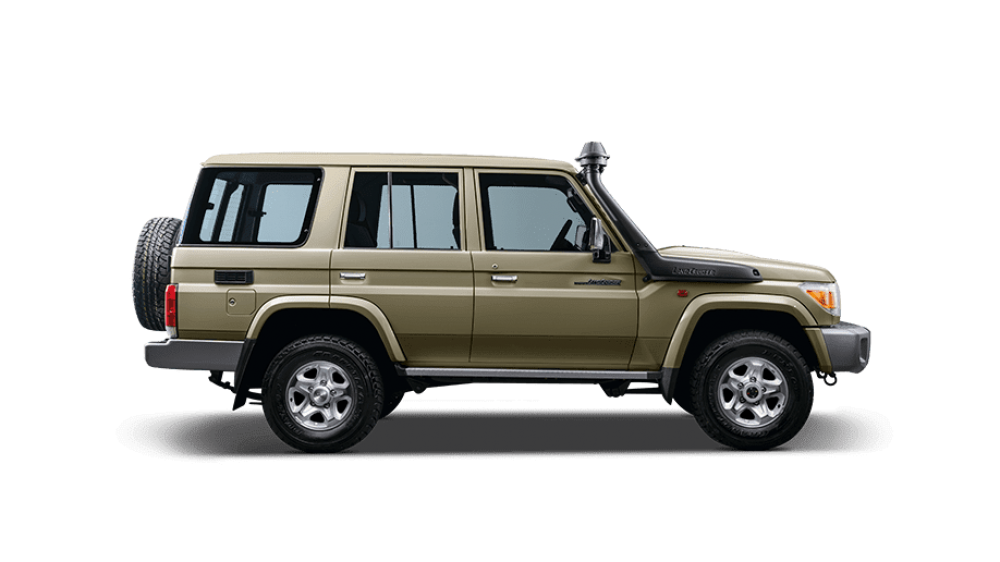
The Land Cruiser is a strong choice when your itinerary takes you deeper into national parks, remote areas or across several countries.
It is particularly appealing to travellers who want a vehicle built around safari travel and who value capability, durability and confidence on rougher roads.
Consider this Land Cruiser if you are:
- Planning a long East African journey
- Visiting several national parks
- Travelling across borders
- Carrying camping or photography equipment
- Spending significant time on rougher roads
Toyota Land Cruiser Prado / LX
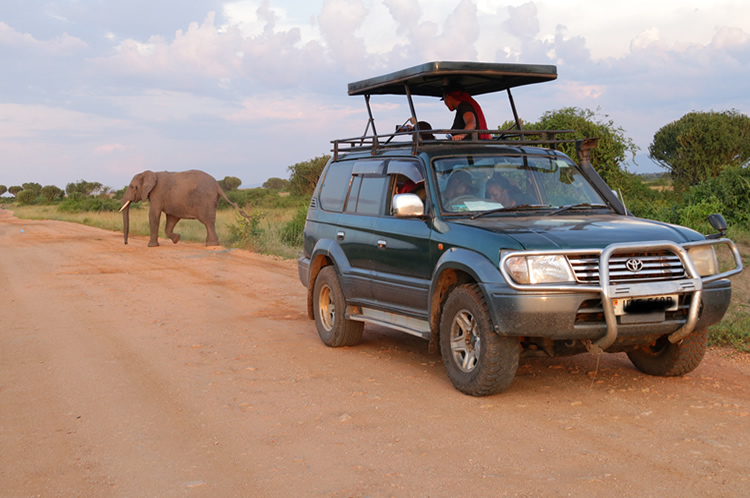
A Prado or similar Land Cruiser SUV can be a good middle ground for travellers who want a capable 4×4 without necessarily choosing the largest safari vehicle available.
It can make sense for couples, families and small groups whose itinerary combines paved roads, gravel roads and national parks.
Consider a Prado/LX if you are:
- Travelling as a couple or small group
- Combining cities with national parks
- Looking for a balance between comfort and capability
- Carrying normal luggage rather than a large camping setup
- Planning a safari without needing an expedition-style vehicle
Toyota Hilux Double Cab
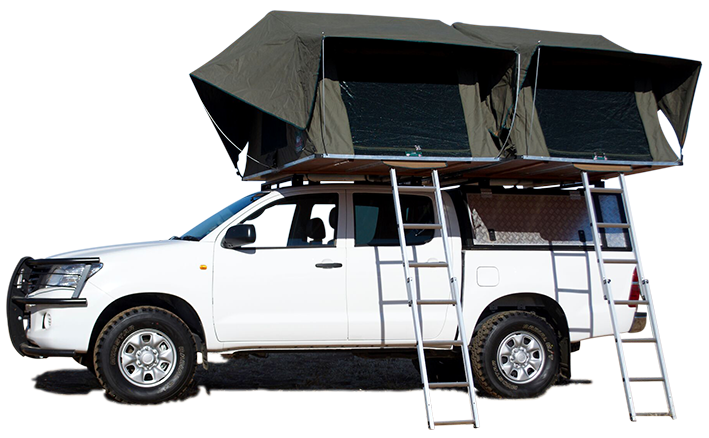
The Hilux offers a different type of flexibility.
Its pickup design can be particularly useful for travellers carrying camping equipment or other gear, while still providing genuine 4×4 capability for suitable safari and road-trip routes.
Consider a Hilux if you are:
- Planning a camping adventure
- Carrying additional equipment
- Travelling as a couple or small group
- Looking for a practical overland vehicle
- Combining road travel with selected safari destinations
4x4 Nissan Xtrail / Smaller SUVs
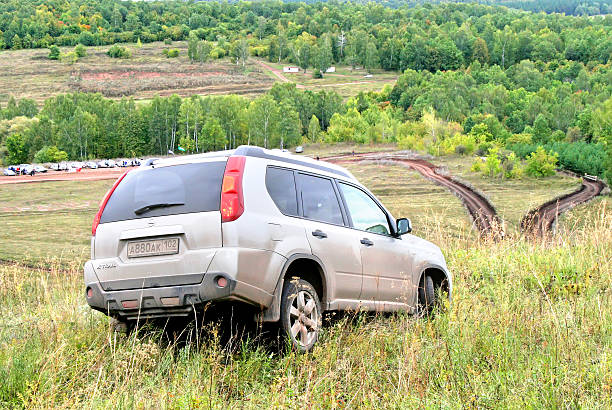
Not every East African journey requires the biggest safari vehicle.
For some itineraries, a smaller 4×4 like a Nissan Xtrail for safari or RAV4 may be a practical choice
Particularly when the journey involves more paved roads and established routes.
However, vehicle suitability depends heavily on the specific parks, roads, season and itinerary.
If you’re considering a smaller vehicle, send us your route first.
We’ll help you establish whether it is suitable before you book.
What Makes a 4×4 Safari-Ready?
Seeing “4×4” in a vehicle description doesn’t tell you everything you need to know.
For an East African self-drive safari, the vehicle needs to be suitable for the roads, tracks and conditions you are likely to encounter.
That doesn’t mean you always need the biggest or most expensive vehicle. It means you should understand which features matter for your particular journey.
High Ground Clearance
Inside national parks and on some rural routes, you may encounter uneven tracks, deep ruts, stones, loose gravel and other obstacles.
A vehicle with good ground clearance gives you more room between the underside of the vehicle and the ground.
For a first-time self-drive traveller, this is one of the most useful things to understand when comparing vehicles.
Higher clearance doesn’t make a vehicle unstoppable, but it can make a big difference on rough roads.
Genuine 4x4 Capability
Inside national parks and on some rural routes, you may encounter uneven tracks, deep ruts, stones, loose gravel and other obstacles.
A vehicle with good ground clearance gives you more room between the underside of the vehicle and the ground.
For a first-time self-drive traveller, this is one of the most useful things to understand when comparing vehicles.
Higher clearance doesn’t make a vehicle unstoppable, but it can make a big difference on rough roads.
Strong, Reliable Construction
That is why reliability matters.
You don’t need the newest vehicle with the most features. You need a vehicle that is properly maintained and suitable for the journey you have planned.
When travelling far from major towns, dependable transport becomes part of your peace of mind.
Good Tyres and Spare Tyres
But they are one of the parts of the vehicle that directly meet the road.
Before setting off, you should know:
• What type of tyres the vehicle has
• The condition of the tyres
• Where the spare tyre is located
• How to access the jack and wheel-changing tools
• Whether additional spare tyres are provided for your particular trip
For longer or more remote journeys, it’s worth discussing the spare-tyre arrangement with your rental company before departure.
Recovery and Basic Equipment
Depending on the vehicle and rental setup, this can include items such as a jack, tyre-repair equipment, compressor, tow equipment or other recovery gear.
The important thing is not simply having equipment in the vehicle.
You should know what is included and understand how it is intended to be used before you leave.
Visibility and Comfort
You may spend several hours in the vehicle each day.
Good visibility, comfortable seating, air conditioning, sensible luggage space and easy access to your equipment can make a long journey much more enjoyable
This becomes especially important when your safari is part of a longer East African road trip.
Camping Setup
The complete setup should make sense for your group.
Think about:
Passengers + luggage + tent + camping equipment + food + water + other supplies.
A vehicle can be capable of driving difficult roads and still be the wrong choice if you don’t have enough practical space for your camping setup.
Local Support Matters
For a self-drive journey in East Africa, you should also consider what happens if you have a problem during the trip.
Before booking, understand:
• Who you contact if something goes wrong
• What roadside assistance is available
• What happens in the event of a mechanical problem
• What support is available on longer journeys
• What is included in your rental agreement
The vehicle gets you there. Good preparation and support help you travel with confidence.
The best safari vehicle isn’t necessarily the biggest one. It’s the one that is properly prepared and suited to the journey you’re actually taking.
What Should You Check Before Booking a 4×4?
Choosing a well-known 4×4 model is only part of the decision.
Two vehicles can have the same badge but offer very different experiences depending on their condition, preparation and equipment.
If you’re hiring a vehicle for a self-drive safari, don’t be afraid to ask us a few practical questions before you book.
Is the vehicle properly maintained?
Ask how the vehicle is maintained and prepared between rentals.
A safari vehicle spends time on roads and tracks that can be much harder on tyres, suspension and other components than normal city driving.
At Car rental Safaris Africa, we make sure that the vehicle has been checked and prepared for the journey ahead.
How many spare tyres are provided?
A puncture can happen anywhere, including on remote roads where getting help may take time.
All Our Vehicles are Supplied with Spare Tyres and all the equipment needed to change a tyre.
For longer or more remote journeys, this becomes particularly important.
What recovery equipment is included?
Depending on the vehicle and the type of trip, useful recovery equipment may include items such as a tow rope, jack, tyre-repair equipment or other basic recovery tools.
Don’t assume that every rental vehicle comes with the same equipment.
What happens if something goes wrong?
This may be one of the most important questions of all.
- First, who do you contact in an emergency? We have a 24/7 support team ready to assist you at any time, wherever you are.
- We also explain what happens if the vehicle develops a mechanical problem. You won’t be left alone. Our team will guide you step‑by‑step and arrange the right help immediately.
- If you get a puncture, we show you exactly what to do, and our support team is always available to assist.
- If the vehicle ever becomes stuck, we help you understand the safest way to handle the situation and how our rescue support works.
- We make sure you know whether roadside assistance is available on your route and how quickly it can reach you.
- And finally, we clearly explain what costs are included and what costs are not, so there are no surprises during your trip.
Our goal is simple: To make sure you start your safari or road adventure with clarity, confidence, and full peace of mind.
A good rental experience isn’t only about the vehicle leaving our offices in good condition.
It’s also about knowing that someone is there to help when you need them.
What Will Your 4×4 Safari Rental Cost?
The cheapest 4×4 is not always the best value, and the most expensive vehicle is not necessarily the right choice for your trip.
Your total rental cost depends on several things, including the vehicle you choose, the length of your journey, whether you need camping equipment, where you collect and return the vehicle, and whether your trip crosses international borders.
What Usually Affects the Price?
The vehicle
A comfortable 4×4 SUV, a safari-ready Land Cruiser and a fully equipped camping vehicle can have very different daily rates.
The length of your rental
Longer rentals may have different daily rates from short-term rentals. If you’re planning several weeks on the road, it’s worth asking about long-term rental options.
Camping equipment
If you’re travelling with a rooftop tent or camping equipment, make sure you compare the complete package rather than looking only at the vehicle’s daily rate.
Pickup and return locations
Collecting and returning a vehicle in different locations can involve additional one-way or repositioning costs.
Cross-border travel
If your journey involves more than one country, additional documentation, permits, insurance requirements or cross-border fees may apply.
The type of journey
A vehicle that is perfect for a straightforward road trip may not be the most suitable option for an extended safari or remote camping adventure.
Don’t Compare Daily Rates Alone
When we are sending you our quotation, we usually indicate what is included and what is ecluded in the quoted price. For example:
- Vehicle rental
- Insurance
- Camping equipment
- Spare tyres
- Recovery equipment
- Additional drivers
- Cross-border arrangements
- One-way fees
- Airport or city delivery
- Mileage restrictions, if applicable
- Other agreed equipment or services
Start with the journey. Then compare the vehicles.
If you’re unsure what your trip will cost, tell us your dates, route, number of travellers and camping plans. We’ll help you understand the options before you make a decision.
Still Not Sure Which 4×4 to Choose?
That’s completely normal. There isn’t one vehicle that is perfect for every East African journey.
The right choice depends on where you’re going, how many people are travelling, how much equipment you’re carrying, whether you’re camping and how demanding your route is.
If you’re still deciding, start with these four questions:
1. Where are you going?
2. How many people are travelling?
3. Are you camping?
4. What kind of journey are you planning?
We Can Help You Choose
You don’t need to know the name of the perfect vehicle before contacting us. Tell us about your journey and we’ll help you compare the options that make sense for your trip.
Not the biggest vehicle. Not necessarily the cheapest vehicle. The vehicle that makes sense for your journey.
Are You Planning Something More Complicated?
If your journey involves several countries, camping, a one-way rental or a longer East African road trip, let us know when you enquire.
We can help you think through the practical details before you commit to the vehicle. Your journey comes first. The vehicle comes second.