
Epic Cross-Border 4×4 Car Rental East Africa.
Plan your journey across Kenya, Tanzania, Uganda and Rwanda with confidence
Cross Border 4×4 Car Rental in East Africa
Want to explore more than one East African country on the same road trip?
A cross-border 4×4 rental can give you the freedom to travel between countries instead of building your journey around separate flights or rental cars. But crossing an international border with a rental vehicle requires more preparation than an ordinary car hire.
You need to consider the vehicle’s cross-border authorization, insurance and documentation, your own travel documents, the border you plan to use, and whether your particular route allows the journey you have in mind.
That’s where we help.
At Car Rental Safaris Africa, we help travellers plan cross-border journeys with our 4×4 rental vehicles across East Africa. Before you travel, we discuss your route, confirm the practical arrangements for the vehicle and help you understand what to expect.
Whether you’re planning Kenya → Tanzania, Tanzania → Kenya, Uganda → Kenya, Uganda → Rwanda, or a longer multi-country journey, start with your route and we’ll help you work through the details.
Planning a cross-border journey?
Where Can You Drive Across East Africa?
Cross-border journeys can connect several of East Africa’s most popular safari destinations in one trip. The right route depends on where you start, where you want to finish and the experiences you want along the way.
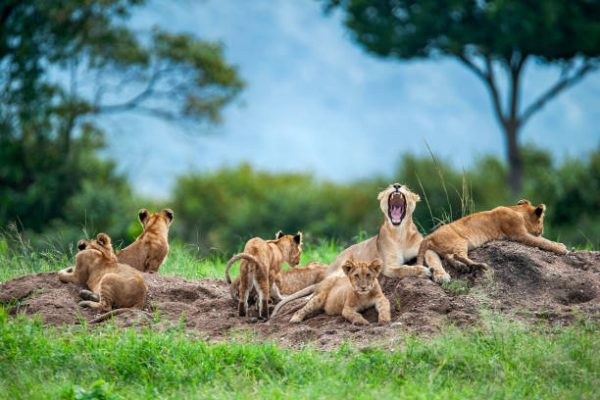
Kenya → Tanzania (11 Days/10 Nights)
From Kenya’s safari country into northern Tanzania
Connect destinations such as Nairobi, Amboseli and the Kenya–Tanzania border with northern Tanzania and its major safari areas.
Best suited to: travellers wanting to combine Kenya and Tanzania in one journey.
- Day 1: Nairobi – Arrival and easy city relaxation before the safari begins.
- Day 2: Masai Mara National Reserve – Drive to the Mara and enjoy your first afternoon game drive.
- Day 3–4: Masai Mara National Reserve – Two full days of wildlife viewing across the Mara’s open plains.
- Day 5: Masai Mara to Amboseli – Cross into Tanzania and continue to the iconic Serengeti.
- Day 6: Cross Through Namanga Border to Tanzania – Continue your journey into Tanzania
- Day 7: Serengeti National Park – Explore the vast plains and enjoy rewarding game drives.
- Day 8: Serengeti National Park – Another full day discovering the Serengeti’s rich wildlife.
- Day 9: Ngorongoro Crater – Descend into the crater for a unique and concentrated wildlife experience.
- Day 10: Tarangire National Park – Visit Tarangire, famous for elephants and giant baobab trees.
- Day 11: Arusha – Return to Arusha for rest and onward travel.
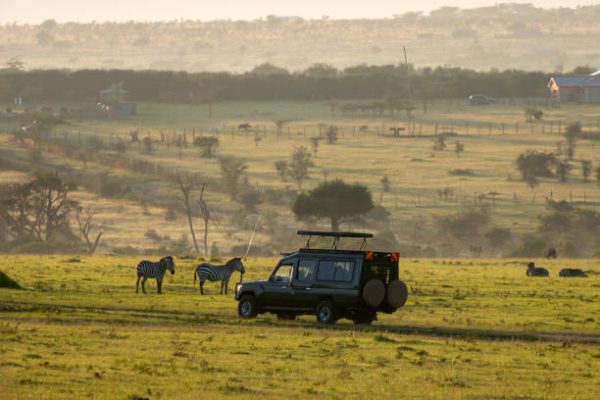
Tanzania → Kenya (10 Days/9 Nights)
Start in Tanzania and continue north
A useful option if your journey begins around Arusha or northern Tanzania and you want to continue into Kenya rather than returning to your starting point.
Best suited to: travellers planning a northbound multi-country safari.
- Day 1: Arusha – Arrival and easy relaxation before your northern Tanzania safari begins.
- Day 2: Tarangire National Park – Start with Tarangire’s elephants and iconic baobab‑filled landscapes.
- Day 3: Ngorongoro Crater – Descend into the crater for a concentrated and scenic wildlife experience.
- Day 4: Serengeti National Park – Enter the Serengeti and enjoy your first game drive on the endless plains.
- Day 5: Serengeti National Park – A full day exploring the Serengeti’s rich wildlife and open savannahs.
- Day 6: Serengeti to Namanga Border – Travel north toward the border, enjoying changing scenery along the way.
- Day 7: Amboseli National Park – Cross into Kenya and explore Amboseli’s big elephant herds and Mt. Kilimanjaro views.’
- Day 8: Amboseli to Masai Mara – Drive toward the Masai Mara, arriving for an evening game drive.
- Day 9: Masai Mara National Reserve – A full day discovering the Mara’s wildlife and sweeping plains.
- Day 10: Nairobi – Return to Nairobi for rest, shopping, or onward travel.
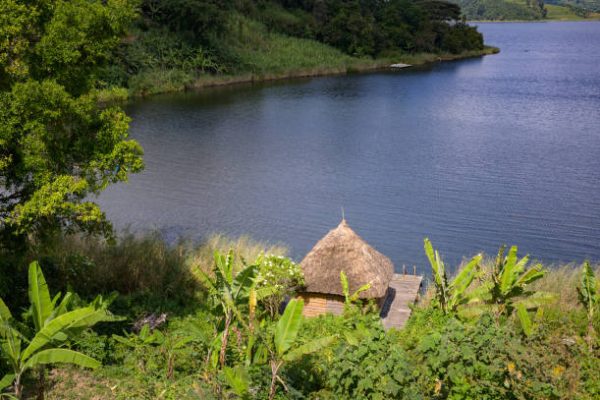
Uganda → Kenya (16 Days/15 Nights)
Combine Uganda’s wildlife and primates with Kenya’s safari destinations
A cross-border journey can connect Uganda’s national parks and primate experiences with destinations such as the Maasai Mara and other parts of Kenya.
Best suited to: Travellers wanting a broader East African road trip.
- Day 1: Entebbe – Arrive and settle in before starting your Uganda–Kenya adventure.
- Day 2: Entebbe to Jinja – Drive to Jinja and enjoy the Source of the Nile experience.
- Day 3: Jinja to Murchison Falls – Transfer to Murchison for wildlife viewing and the powerful falls.
- Day 4–5: Kibale National Park – Travel to Kibale for chimp trekking and forest walks.
- Day 6–7: Queen Elizabeth National Park – Enjoy game drives and a Kazinga Channel boat cruise.
- Day 8–9: Bwindi Impenetrable Forest – Trek mountain gorillas and explore the lush highlands.
- Day 10: Bwindi to Lake Bunyonyi – Relax at Lake Bunyonyi after your gorilla trek.
- Day 11: Cross to Kenya via Kisumu – Drive toward the border and continue into Kenya.
- Day 12: Lake Nakuru National Park – Explore Nakuru’s rhinos, flamingos, and scenic landscapes.
- Day 13-14: Masai Mara National Reserve – Arrive in the Mara for game drives
- Day 15: Nairobi – Drive back to Nairobi for Nairobi City Tour, Visit Sheldrick Elephant orphanage and Giraffe Center
- Day 16: Shopping, or onward travel then Flight out back home
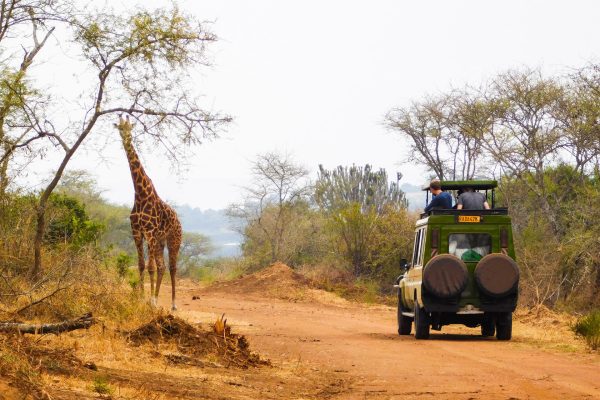
Rwanda → Uganda (14 Days/13 Nights)
Connect Rwanda and Uganda by road
Combine Rwanda’s gorilla and primate experiences with Uganda’s wider wildlife and national park circuit.
Best suited to: travellers who want to experience both countries on one journey.
- Day 1: Welcome to Rwanda! | 1 Night Kigali, Rwanda: Arrive in Kigali and settle in before your adventure begins.
- Day 2–4: Mountain Gorillas & Golden Monkeys | 2 Nights Volcanoes National Park, Rwanda: Track gorillas, visit golden monkeys, and explore the volcanic highlands.
- Day 4–7: Dian Fossey’s Legacy & Forest Experiences | 3 Nights Volcanoes National Park, Rwanda: Visit the Dian Fossey grave site, explore the Ellen DeGeneres Campus, and enjoy more forest activities.
- Day 7–10: Cross to Uganda & Gorilla Highlands | 3 Nights Mgahinga Gorilla National Park, Uganda: Enter Uganda and enjoy gorilla trekking, cultural walks, and scenic mountain views.
- Day 10–12: Volcanic Crater Lakes & Chimpanzee Tracking | 2 Nights Kibale Forest, Uganda: Travel to Kibale for chimp trekking and explore the crater lakes region.
- Day 12–13: Exciting Game Viewing | 1 Night Queen Elizabeth National Park, Uganda: Enjoy game drives and a boat cruise along the wildlife‑rich Kazinga Channel.
- Day 13–14: Kampala | 1 Night Entebbe, Uganda: Return to Kampala, Night Life in Kampala for relaxation and prepare for your onward flight.
- Day 14: Say Goodbye to Uganda!: Transfer to the airport for departure.
Rwanda → Uganda → Kenya → Tanzania (30-34 Day East Africa Self-Drive Itinerary)
The Journey requires more careful planning because vehicle arrangements, border requirements and one-way logistics can become more complicated as countries are added. A complete 4‑country overland adventure with gorillas, chimps, big cats, culture, lakes, mountains, and the Great Migration.
- Day 1: Arrive in Kigali – Settle in and enjoy a relaxed evening in Rwanda’s clean, vibrant capital.
- Day 2: Kigali City Tour – Visit the Genocide Memorial, local markets, and art galleries.
- Day 3: Kigali – Volcanoes National Park – Drive to Musanze; enjoy scenic views of the Virunga volcanoes.
- Day 4: Gorilla Trekking (Volcanoes NP) – Trek Rwanda’s mountain gorillas in the misty rainforest.
- Day 5: Golden Monkey Tracking – Explore the bamboo forests and watch playful golden monkeys.
- Day 6: Dian Fossey Hike / Ellen DeGeneres Campus – Visit the research center and learn about gorilla conservation.
- Day 7: Cross to Uganda – Bwindi – Enter Uganda through Cyanika border and settle in the gorilla highlands.
- Day 8: Gorilla Trekking (Bwindi) – Trek Uganda’s gorillas and enjoy cultural encounters with local communities.
- Day 9: Bwindi – Lake Bunyonyi – Relax at Africa’s second‑deepest lake; canoeing optional.
- Day 10: Lake Bunyonyi – Queen Elizabeth NP – Drive through the scenic Kigezi hills into the savannah.
- Day 11: Queen Elizabeth NP – Game drives and Kazinga Channel boat cruise.
- Day 12: Ishasha Sector – Search for Uganda’s famous tree‑climbing lions.
- Day 13: Queen Elizabeth – Kibale Forest – Transfer to the primate capital of East Africa.
- Day 14: Chimpanzee Trekking (Kibale) – Trek chimps and explore crater lakes.
- Day 15: Kibale – Murchison Falls NP – Drive north to Uganda’s largest national park.
- Day 16: Murchison Falls NP – Game drives and boat cruise to the base of the falls.
- Day 17: Top of the Falls Hike – Visit the powerful viewpoint before returning to Kamapala.
- Day 18: Kampala – Drive to Nairobi – Arrive in Kenya’s capital and relax.
- Day 19: Nairobi City Activities – Visit Giraffe Centre, Karen Blixen Museum, or Nairobi National Park.
- Day 20: Nairobi – Ol Pejeta Conservancy – Drive to Kenya’s rhino sanctuary and big‑cat haven.
- Day 21: Ol Pejeta Conservancy – Full day of game viewing and conservation experiences.
- Day 22: Ol Pejeta – Lake Nakuru NP – Drive through the Rift Valley to Nakuru.
- Day 23: Lake Nakuru – Maasai Mara – Enter Kenya’s premier wildlife reserve.
- Day 24: Maasai Mara National Reserve – Full day exploring the Mara’s rich wildlife.
- Day 25: Maasai Mara National Reserve – Optional balloon safari or full‑day game drive.
- Day 26: Maasai Mara – Nairobi – Return to Nairobi for rest or shopping.
- Day 27: Nairobi – Amboseli NP – Drive to Amboseli for elephants and Kilimanjaro views.
- Day 28: Amboseli – Cross to Tanzania (Lake Manyara) – Enter Tanzania via Namanga border.
- Day 29: Lake Manyara – Serengeti NP – Continue to the endless plains of the Serengeti.
- Day 30: Serengeti National Park – Full day of game drives in Africa’s most iconic park.
- Day 31: Serengeti National Park – Another full day exploring migration herds and big cats.
- Day 32: Serengeti – Olduvai Gorge – Ngorongoro Crater – Visit the cradle of mankind en route.
- Day 33: Ngorongoro Crater – Descend into the crater for exceptional wildlife viewing.
- Day 34: Ngorongoro – Gibb’s Farm – Arusha – Relax at Gibb’s Farm before ending your journey in Arusha.
How Cross-Border Rental Works
A cross-border road trip is much easier when the important documents and arrangements are sorted out before you leave. The exact requirements depend on your route, the countries involved, the vehicle and your circumstances, so we confirm the relevant arrangements for your journey before departure.
Tell Us Your Route
1. Start With Your Journey
You don’t need to have every detail worked out. Your route gives us the starting point for checking the practical arrangements.
We Check the Vehicle & Route
2. We Check Whether the Journey Works
We look at your proposed route, vehicle, countries involved and whether you plan to return the vehicle to the same location or finish somewhere else.
Cross-Border Documentation
3. We Prepare the Vehicle Documentation
Depending on the route, this can involve vehicle registration documents, authorization from the vehicle owner and applicable insurance or temporary-import arrangements.
We explain what applies to your particular journey and prepare the rental-side documentation required for the approved route.
You Travel
4. Start Your Journey Prepared
You then travel to the border and complete the relevant immigration and vehicle/customs procedures.
Continue Your Journey
5. Continue Across East Africa
For longer or multi-country journeys, we’ll have already discussed the route, vehicle return arrangements and any applicable cross-border considerations with you.
What Happens at the Border?
Crossing an international border with a rental 4×4 may sound complicated when you’re planning it from home. In practice, the process is usually a series of straightforward checks and formalities.
The exact procedure varies by border crossing and route, but knowing what to expect makes the journey much easier.
- Arrive at the Border
Follow the signs for the appropriate border and vehicle entry/exit procedures. Keep your passport, driving licence and vehicle documents accessible rather than packed away in your luggage.
- Complete Immigration
You and the other travellers complete the applicable immigration formalities for leaving one country and entering the next.
- Present the Vehicle
Because you’re travelling in a rental vehicle, the vehicle may also need to be presented for the applicable customs or border procedures. This is where the rental vehicle’s registration, authorization and other relevant documents may be checked.
- Complete the Required Vehicle Formalities
Depending on the route, the authorities may process the vehicle under the applicable temporary admission, customs or other vehicle-entry procedure. Follow the instructions of the officers at the border and keep any documents issued during the process safely with the vehicle.
- Continue Your Journey
Once the relevant procedures are completed and you have been cleared to continue, you can proceed into the next country and continue your planned journey.
YOU
- Carry your personal travel documents.
- Follow immigration procedures.
- Present yourself and the vehicle when required.
- Follow instructions from border officials.
WE HELP WITH
- Confirming your proposed route.
- Checking the rental arrangement.
- Preparing the rental-side vehicle documentation.
- Explaining what we know about the planned crossing before departure.
BORDER AUTHORITIES
- Immigration clearance.
- Customs/vehicle procedures.
- Entry and exit controls.
- Any official inspection or fees applicable to the crossing.
Travel With Support
You’re Not Alone When We Hand Over or Once You Leave Our Office
A cross-border journey doesn’t end when you collect the keys. You’re travelling through unfamiliar roads, sometimes far from major towns, so knowing who to contact when you need help is an important part of renting with confidence. We remain available throughout your rental for practical questions and support related to your vehicle and journey.
- Vehicle Support
If You Have a Vehicle Problem
Before you leave, we’ll give you information about the vehicle and the appropriate contacts to use during your rental.
If you experience a mechanical problem, contact us as soon as it is safe to do so. We’ll help you determine the next practical step and, where possible, coordinate assistance through our local network.
- Route Support
If You’re Unsure About the Road
Sometimes the problem isn’t the vehicle.
You may need help understanding your route, finding a suitable place to stop, checking your planned journey or deciding whether you should continue.
During your rental, you can contact us for practical guidance related to your journey.
- Emergencies
If Something Serious Happens
Your safety comes first.
If you are involved in an accident, are injured or face another immediate emergency, contact the appropriate local emergency services or authorities first. Once you are safe, contact us so that we can help with the vehicle and rental arrangements.
Before You Leave, We’ll Make Sure You Know
WHO TO CALL
WHAT TO DO
WHERE YOU'RE GOING
WHAT YOU'RE CARRYING
Understanding the Cost
How Much Does Cross-Border 4×4 Rental Cost?
The cost of a cross-border journey isn’t always just the daily vehicle rental rate. Your total price can depend on the vehicle you choose, how long you rent it, where you collect and return it, the countries you plan to visit and the arrangements required for the journey.
That’s why we prefer to quote your complete route rather than give you a daily rate that doesn’t tell the whole story.
- Vehicle Rental
Your basic rental cost depends on the 4×4 you choose and the number of rental days.
- Cross-Border Arrangements
Additional arrangements may apply when taking a rental vehicle into another country, depending on the route and applicable requirements.
- One-Way / Drop-Off Fee
This one is particularly important for us. Returning the vehicle somewhere different from where you collected it can involve a one-way fee. This covers the logistics involved in repositioning the vehicle.
- Insurance
Cross-border journeys may require insurance arrangements that apply to the countries on your route. We’ll explain what is included in your quotation and identify any additional applicable costs.
- Fuel
Fuel is normally separate from the vehicle rental unless your quotation specifically says otherwise.
- Other Journey Costs
Depending on your route, there may be border, camping, road, ferry, parking, accommodation or other travel-related costs. Where we know these costs form part of the rental arrangement, we’ll explain them before you confirm.
Many travelers coming from North America or Europe are used to seamless border crossings, like driving between states or passing through Europe’s Schengen Zone. Crossing borders in East Africa is a bit different. It requires paperwork, patience, and the right vehicle authorizations.
When you rent a vehicle with us (Car Rental Safaris), you aren’t just getting a car; you are getting a fully authorized transit asset. We handle the heavy legal lifting behind the scenes so you can focus on the road ahead.
One-Way East African Road-Trips and Drop-Off Fees
You do not have to drive in a massive circle just to return the car to where you started. Many of our clients prefer to maximize their time by booking a one-way safari. For example:
- You can pick up your vehicle in Entebbe (Uganda), drive through the mountain passes into Rwanda, and drop the vehicle off in Kigali.
- You can pickup a car in Tanzania, (Arusha), Drive through Northern Tanzania, then Continue to Kenya, Cross to Uganda, then drop the car in Rwanda
- You can pickup the car in Rwanda, Move to Uganda, Then Kenya, then Drop of in Tanzania
To cover-up the cost of our team driving the vehicle back to its home base, we charge a flat $200 drop-off fee for one-way multi-country rentals. This flexibility allows you to see twice as much without backtracking over roads you have already traveled.
Which 4×4 Is Right for Your Cross-Border Journey?
The highways connecting major cities in East Africa are largely paved and modern, but the roads leading into national parks, game reserves, and mountain tracks can be rough, muddy, and deeply rutted. A standard sedan or crossover SUV will not survive here. You need a dedicated, high-clearance four-wheel-drive (4×4) vehicle.
We maintain a fleet of rugged vehicles specifically modified for long-distance African Road Trips:
Toyota Land Cruiser
The undisputed king of the African bush. The Land Cruiser is favored by safari guides across the continent for its unbreakable suspension and raw pulling power.

Custom Safari Van
If you are traveling with a family or a larger group of friends, our customized safari vans offer more interior space and comfort with a pop-up roof top
- Best For: Group travel, wildlife viewing on paved and standard dirt roads.
- Features: Complete with a pop-up roof that opens up entirely, giving everyone in the vehicle an unobstructed, elevated view for photography during game drives.

Planning a Camping Safari?
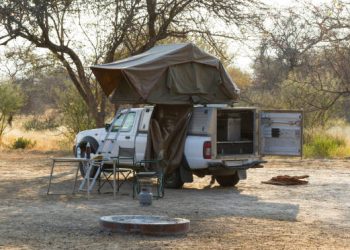
If you’re carrying a rooftop tent, camping equipment, food and luggage, you’ll need to think about payload and available storage as well as 4×4 capability.
Consider: Camping equipment, luggage capacity, ground clearance and long-distance travel.
Going Deep Into Safari Country?
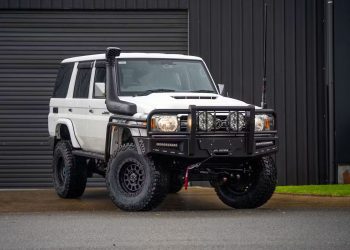
If your itinerary includes challenging park roads, remote areas or difficult conditions, a more capable safari-specification 4×4 may be the better choice.
Terrain and seasonal road conditions can make a significant difference to vehicle choice.
Consider: ground clearance, 4WD capability, tyres, recovery capability and the specific route.
Fully Equipped Camping Packages: Your Mobile Hotel
Buying food, renting tents, and sourcing cooking gear locally can eat up days of your vacation time. We solve this by offering complete, ready-to-go camping packages built directly into your Cross-Border 4×4 Car Rental East Africa Rental.
Turn your 4×4 into a self-sufficient mobile home that allows you to camp inside national parks and designated public campsites.
What is Included in Our Camping Gear?
Our camping setups are professional-grade and designed to withstand the elements. When you book a camping package, your vehicle comes loaded with:
- Rooftop Tents: These are mounted securely to the heavy-duty roof racks of our Land Cruisers. They open up in less than two minutes using a simple fold-out ladder system. Sleeping elevated off the ground keeps you safe from insects, damp soil, and curious wildlife.
- Bedding: High-density foam mattresses (built into the tent), clean sheets, warm sleeping bags, and pillows designed for cool nights in the highlands.
- The Bush Kitchen: A complete cooking crate containing a dual-burner gas stove, a filled gas cylinder, stainless steel pots and pans, plates, bowls, cups, and cutlery.
- Storage & Cooling: Heavy-duty storage boxes for your dry food items and an onboard 12V refrigerator or high-end cooler box to keep your drinks and fresh food cold while driving through remote areas.
- Camp Comforts: Foldable safari chairs with cup holders, a sturdy folding table, a storage axe, a spade, and rechargeable solar lanterns for your campsite.
Conquering Your Fears: Safety, Road Conditions, and Wildlife
It is completely normal to feel a bit nervous about driving yourself through a foreign country, especially one known for its wild spaces. Let’s address the most common fears honestly and directly.
What if the car breaks down or I get a flat tyre?
Punctures and flat tyres happen on gravel roads. Because of this, every single vehicle in our fleet carries two full-sized spare tyres, along with a high-lift- jack, a heavy-duty tow strap, and a wheel brace. During your vehicle handover, our team will physically walk you through how to safely change a tyre on a 4×4.
If a larger mechanical issue occurs, we have a network of trusted mechanics across Uganda, Rwanda, Kenya, and Tanzania who can assist you, or we will dispatch a rescue vehicle to your location. If all goes wrong, we can switch you to another comfortable car.
Is it safe to drive around wild animals?
Yes, as long as you follow basic wilderness rules. Animals in East African national parks are accustomed to the shape and sound of vehicles. They see a car as a single large object, not a collection of humans.
- Rule 1: Never get out of your vehicle outside of designated picnic areas or campsites.
- Rule 2: Give large mammals—especially elephants and solitary buffaloes—plenty of space. If an elephant looks agitated, turn off your engine or back away slowly.
- Rule 3: Keep your windows rolled up halfway when driving through areas with high primate populations, like baboons, who are notorious food thieves.
What are the driving rules like?
The most critical thing to remember is that driving laws change at the border:
- Uganda, Kenya, Tanzania: You drive on the left side of the road.
- Rwanda: You drive on the right side of the road.
Speed limits inside national parks are strictly enforced at 40 km/h (25 mph) to protect wildlife. Avoid driving at night at all costs; highways are poorly lit, and livestock or broken-down trucks can sit in the middle of the road without warning lights.
The Cross-Border Bureaucracy Simplified
When you reach a border checkpoint like Katuna (between Uganda and Rwanda), Busia or Malaba (Between Uganda and Kenya) or Namanga (between Kenya and Tanzania), you will need to clear customs for both yourself and the vehicle.
Documents We Provide For the Car:
- The Original Logbook / Registration: Proof that the vehicle is legally registered with us.
- Letter of Authority to Cross: A formal, stamped corporate permit allowing you to take our 4×4 Car across international borders.
- COMESA Yellow Card Insurance: Regional third-party insurance that covers liability across East and South African nations.
These are the Documents that you’ll Bring:
- A Valid Passport: Must have at least 6 months of validity remaining from your date of entry.
- International Driving Permit (IDP): While your domestic driver’s license (from the US, Canada, UK, or EU) is often accepted for short stints, having an IDP prevents issues with local traffic police.
- The East African Tourist Visa: If you are visiting Uganda, Rwanda, and Kenya on the same trip, do not buy individual country visas. Apply for the unified East African Tourist Visa online before you arrive. It costs $100 USD and allows multiple entries between these three countries, saving you hours of paperwork at land borders. As for Tanzania, its different!
Packing and Wearing: A Practical Guide for the Road
Packing during a cross-border 4×4 Car Rental East Africa safari requires a mix of lightweight layers. The weather can change fast. You might be sweating in the savannah at midday and shivering by a campfire in a mountain forest at 8:00 PM.
What to Wear on Safari
- Neutral Colors: Wear khaki, tan, olive green, beige or brown clothing. Avoid bright white (it gets dirty instantly from road dust) and bright red (which can startle wildlife).
- Avoid Blue and Black: In certain wilderness pockets, dark blue and black clothing attracts tsetse flies, which have a nasty bite.
- Long Sleeves and Trousers: Essential for the evenings to protect yourself against mosquitoes. If you are doing gorilla trekking, you will need tough, thick trousers and long socks to tuck your pants into so ants can’t crawl up your legs.
- Footwear: You do not need professional mountaineering boots unless you are climbing Mount Elgon or the Rwenzoris. A sturdy pair of trail running shoes or lightweight hiking shoes with good grip is perfect.
Essential Gear to Pack in Your Bag
- A Soft-Sided Duffel Bag: Avoid hard-shell, plastic suitcases. Soft duffel bags are much easier to pack tightly into the back of a 4×4 storage compartment alongside camping crates.
- Headlamp or Flashlight: Essential for moving around campsites at night when the vehicle engine is turned off.
- Power Adapters: UK-style three-pin plugs are standard in Uganda and Kenya, while European two-pin plugs are common in Rwanda. Our vehicles feature USB charging ports, but bringing a small inverter to charge camera batteries or laptops on the move is highly recommended.
- Biodegradable Wet Wipes: Your best friend on dusty gravel roads. A quick wipe down at the end of a long drive makes a world of difference.
Frequently Asked Questions
Cross-Border 4×4 Rental, Your Questions Answered
Planning to drive a rental 4×4 across East Africa naturally comes with questions. Here are some of the things travellers ask us most often.
If you don’t find the answer you’re looking for, send us your route and we’ll help you work through it.
Can I take a rental 4×4 across the border?
Yes, cross-border rental can be arranged on eligible routes, but you need to tell us about your plans before travelling.
The rental company must authorize the vehicle for cross-border use and arrange the applicable vehicle documentation and insurance requirements for the route. Cross-border permission isn’t something you should assume is automatically included with an ordinary rental.
What documents do I need?
The exact requirements depend on your nationality, route and destination, but you should expect to carry your passport, valid driving licence and the relevant vehicle/cross-border documentation supplied or arranged for the rental.
Depending on the route, additional immigration, customs or insurance documents may apply.
The EAC advises travellers to check the immigration requirements of the individual destination country, particularly for visitors from outside East Africa.
Do I need a visa?
Visa requirements depend on your nationality and the countries you plan to visit.
We can help you understand the countries involved in your route, but your visa or immigration requirements should always be confirmed through the relevant official immigration authority before travelling.
Can I collect the car in one country and return it in another?
Sometimes, yes.
One-way cross-border rentals can be arranged on selected routes, subject to vehicle availability, border requirements and the logistics of returning the vehicle.
A separate one-way fee normally applies because the vehicle has to be repositioned.
Are cross-border fees included in the rental price?
Not necessarily.
Your quotation will identify the applicable cross-border arrangements and additional charges for your particular route.
We prefer to explain these costs before you confirm rather than surprise you later.
Can I take a rooftop-tent 4×4 across borders?
Depending on the vehicle and route, yes. However, the vehicle must be suitable and authorized for the countries you’re visiting.
If you’re planning to camp, tell us when requesting your quote so we can recommend a suitable vehicle and camping setup.
Can I change my route after I start the trip?
Please contact us before making a significant change to your planned cross-border route.
Changes can affect vehicle authorization, insurance, border documentation, the rental period and your return arrangements.
We’ll help you understand what needs to be changed before you continue.
What happens if the vehicle breaks down?
Contact us as soon as it is safe to do so. We’ll help you determine the next practical step and coordinate assistance where possible.
If you’re dealing with an immediate safety or medical emergency, contact the appropriate local emergency services first.
Can I drive through several East African countries with one rental?
This may be possible depending on the vehicle, its registration, the countries involved and the permissions arranged for your journey.
Tell us your complete route when requesting the vehicle rather than adding countries later.
Does the vehicle’s registration country matter?
Yes.
The country where a vehicle is registered can affect the cross-border arrangements and where it is permitted to operate.
That’s one of the reasons we need to know your complete route before confirming a cross-border rental.
How early should I arrange a cross-border rental?
The earlier the better.
Cross-border rentals can require vehicle authorization, insurance arrangements and other documentation, so we recommend telling us about your cross-border plans as early as possible, especially for multi-country journeys or one-way rentals.
Can I drive into national parks in another country?
This depends on the country, park, vehicle registration and the applicable park rules.
If your journey includes national parks in more than one country, tell us the parks you’re planning to visit when requesting your vehicle so we can advise you on the relevant rental considerations.
I’m still not sure if my journey is possible. What should I do?
Just ask us.
You don’t need to know every border requirement before contacting us.
Tell us:
Where you’re starting → where you’re going → your travel dates → number of travellers → vehicle you’re considering → whether you’re camping.
We’ll help you work through the practical side of the journey.
Secure Your East African Adventure
Don’t let complicated paperwork or logistical fears hold you back from exploring the heart of Africa on your own terms. Our team handles the documentation, prepares the rugged machinery, and provides the emergency backup infrastructure so you can drive with confidence.
Request a Quote & Vehicle Availability
Fill out our direct inquiry form today. Let us know your preferred travel dates, whether you require a full camping gear kit, and your desired pick-up and drop-off destinations. Our team will return a transparent, all-inclusive price estimate with no hidden cross-border fees.