- Call | Email Us Now:
- +256777836554
- +256705195478
- carentalsafaris@gmail.com

Ultimate Guide to Renting a Car for Safari in East Africa

Monthly Car Rental in Uganda
October 15, 2026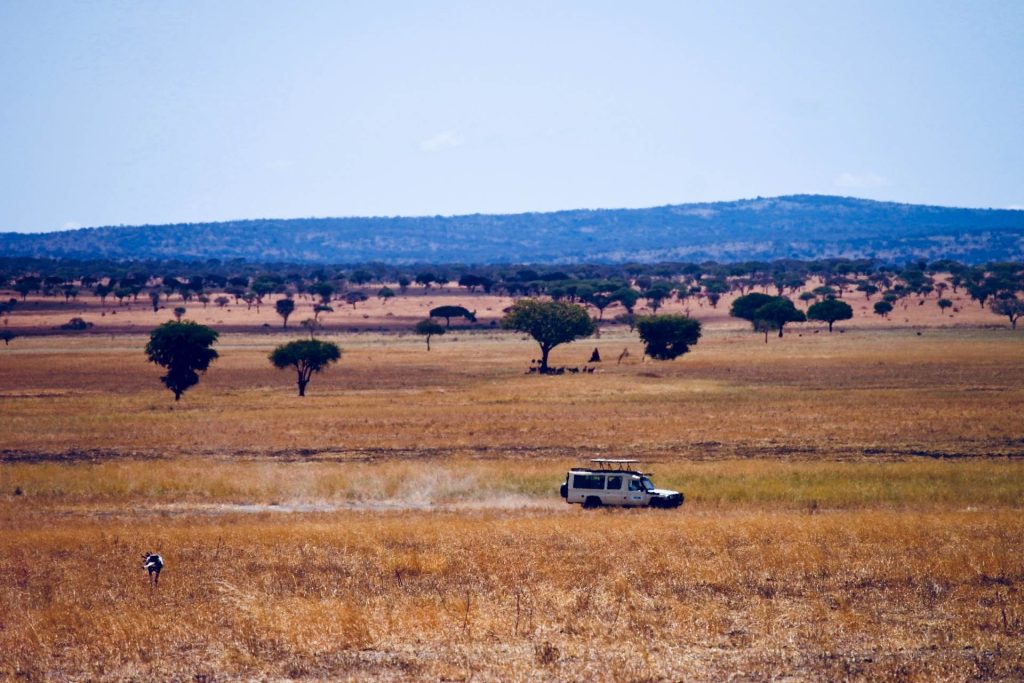
Understanding the Safari Experience
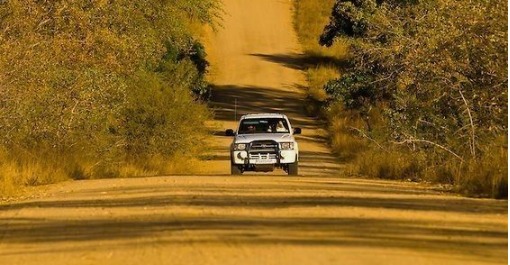
A Safari in East Africa is unlike any ordinary road trip. You are not simply travelling from one destination to another. Every journey becomes part of the adventure itself. From crossing vast savannah plains and winding mountain roads to navigating remote tracks in national parks, the vehicle you choose can significantly influence your overall safari experience.
Why Choosing the Right Safari Vehicle Matters
The right vehicle can make the difference between a comfortable, enjoyable safari and a stressful journey. East Africa’s national parks and conservation areas often have varying terrain, and not all roads are paved.
A suitable safari vehicle offers:
- Better ground clearance for rough roads
- Enhanced comfort during long game drives
- Improved visibility for wildlife viewing
- More luggage space for extended trips
- Greater reliability in remote areas
- Added safety on challenging terrain
For example, a 4×4 Toyota Land Cruiser or Toyota Prado can comfortably navigate muddy tracks during the rainy season, while a safari van with a popup roof provides excellent game-viewing opportunities at a more affordable cost.
When selecting a safari vehicle, it is important to consider your itinerary, group size, road conditions, and the time of year you will be travelling.
Popular Safari Destinations in East Africa
East Africa is home to some of the world’s most famous wildlife destinations. Each location presents unique driving conditions and vehicle requirements.
Uganda
Uganda offers diverse safari experiences ranging from gorilla trekking in Bwindi Impenetrable National Park to game drives in Queen Elizabeth National Park and Murchison Falls National Park. While major highways are generally in good condition, access roads to parks and lodges can be rough, especially during the rainy season.
Rwanda
Rwanda’s roads are among the best in East Africa. Visitors often travel to Volcanoes National Park for gorilla trekking, Nyungwe Forest National Park for chimpanzee tracking, and Akagera National Park for traditional wildlife safaris. While the road network is largely paved, a 4×4 vehicle is still recommended for park exploration.
Kenya
Kenya is famous for the Maasai Mara National Reserve, Amboseli National Park, Tsavo National Parks, and Samburu National Reserve. While trunk roads connecting major cities are generally paved, game drive routes and park access roads often require a sturdy safari vehicle.
Tanzania
Tanzania boasts iconic destinations such as Serengeti National Park, Ngorongoro Crater, Tarangire National Park, and Lake Manyara. Many safari circuits involve long distances and sections of gravel roads, making reliable 4×4 vehicles highly desirable.
What to Expect from Road Conditions and Terrain
Many first-time visitors assume all safari destinations can be accessed through smooth highways. In reality, East Africa offers a mix of road conditions.
- Paved Highways
Major routes between cities such as Kampala, Kigali, Nairobi, Arusha, and Dar es Salaam are generally paved and suitable for most vehicles.
- Gravel and Murram Roads
Many roads leading to national parks consist of gravel or murram surfaces. These roads can be dusty during the dry season and slippery when it rains.
- Mountain Roads
Destinations such as Bwindi, Mgahinga, Volcanoes National Park, and parts of western Uganda involve steep and winding mountain roads. A powerful vehicle with good traction provides a safer and more comfortable experience.
- National Park Tracks
Inside the parks, game drive tracks can vary from smooth dirt roads to deeply rutted trails. During the wet season, mud can become a challenge, making 4×4 capability essential.
- Preparing for the Journey
The beauty of an East African safari lies not only in the wildlife but also in the journey itself. Understanding the terrain and selecting the right vehicle allows you to travel comfortably, access remote locations with confidence, and focus on enjoying the experience rather than worrying about the road ahead.
Whether you choose a rugged 4×4 Land Cruiser, a comfortable Prado, or a safari van with a popup roof, matching the vehicle to your itinerary is one of the most important steps in planning a successful safari.
Choosing the Right Vehicle for Safari
One of the biggest decisions you’ll make when planning a safari is choosing the right vehicle. East Africa offers a wide range of landscapes, from smooth highways and rolling hills to muddy park tracks and remote wilderness areas. The vehicle you choose should match your itinerary, travel style, group size, and budget.
A well-chosen safari vehicle not only gets you to your destination safely but also enhances your comfort, wildlife viewing experience, and overall enjoyment of the trip.
Types of Vehicles Available for Safari Rentals
There is no one-size-fits-all safari vehicle. Different vehicles are suited to different travel needs.
4×4 Toyota Land Cruiser
The Toyota Land Cruiser is the most popular safari vehicle in East Africa. Known for its reliability and excellent off-road performance, it is ideal for travelers visiting remote parks and destinations with challenging terrain.
The land Cruiser is best suited for:
- Long safaris
- Remote national parks
- Luxury and private safaris
- Wet season travel
Toyota Prado
The Prado combines comfort with off-road capability. It is well suited for couples, families, and business travelers who want a balance between luxury and adventure.
The Toyota Prado is Best for:
- Family safaris
- Cross-country trips
- Business and leisure travel
Safari Van with Pop-Up Roof
A safari van is a budget-friendly alternative to a Land Cruiser. The pop-up roof provides excellent visibility during game drives and photography sessions.
A Safari Van is best suited for:
- Group safaris
- Budget-conscious travelers
- Wildlife viewing
- Kenya and Uganda safaris
Nissan X-trail
For travelers mainly visiting cities, lodges, and destinations connected by good roads, the Nissan X-Trial offers comfort and affordability.
The Nissan X-trail is best for:
- Self-drive holidays
- Couples and solo travelers
- Mixed city and safari trips
Other compact cars available include the 4×4 Suzuki Jimny favorable for East African Terrains
Key Features to Look for in a Safari Vehicle
Not every rental vehicle is suitable for safari travel. Before booking, consider the following features.
- Four-Wheel Drive (4×4)
A true 4×4 is highly recommended, especially if you plan to visit remote areas or travel during the rainy season. It provides better traction and stability on rough roads.
- High Ground Clearance
Safari routes often include rocks, potholes, and uneven surfaces. Higher ground clearance helps prevent damage to the vehicle and ensures a smoother ride.
- Pop-Up Roof
For wildlife enthusiasts and photographers, a pop-up roof is one of the most valuable features. It allows passengers to stand and enjoy unobstructed views of animals.
- Comfortable Seating
Game drives can last several hours. Comfortable seats and sufficient legroom make a significant difference, particularly on longer journeys.
- Reliable Air Conditioning
Temperatures can be high, especially when driving between parks or through urban areas. A functioning air conditioning system adds comfort throughout the trip.
- Adequate Luggage Space
Safari travelers often carry cameras, backpacks, camping gear, and personal luggage. Ensure the vehicle has enough space for both passengers and equipment.
- Balancing Comfort and Ruggedness
Many travelers focus only on comfort or only on off-road capability. The best safari vehicle strikes a balance between the two.
A luxury vehicle may offer excellent comfort but struggle on rough park tracks. On the other hand, a rugged off-road vehicle may be capable in difficult terrain but provide less comfort on long highway drives.
Consider the following when making your choice:
- If most of your safari involves national parks and remote regions, prioritize durability and 4×4 performance.
- If your itinerary includes a mix of cities, lodges, and wildlife areas, choose a vehicle that offers both comfort and moderate off-road capability.
- For families and photographers, vehicles with pop-up roofs and spacious interiors often provide the best overall experience.
- For self-drive travelers, reliability and ease of handling should be major considerations.
Remember, the goal is not simply to reach your destination. A safari is about enjoying every mile of the journey. Choosing the right vehicle ensures you can travel comfortably, access incredible wildlife areas, and fully immerse yourself in the East African safari experience.
Our Rates and Pricing
Safari rental rates vary depending on the vehicle type, season, destination, and rental duration. Below are our indicative daily rates for the most popular safari vehicles in East Africa.
| Vehicle Type | Seating Capacity | Self-Drive Rate (USD/Day) | With Driver-Guide (USD/Day) | Best For |
|---|---|---|---|---|
| Nissan X-Trail | 4 – 5 Passengers | $45 – $60 | $75 – $100 | Budget Safaris, City Tours, Business Travel |
| Safari Van with Pop-Up Roof | 6 – 9 Passengers | $70 – $90 | $100 – $140 | Family Safaris, Group Tours |
| Toyota Prado TX | 4 – 5 Passengers | $80 – $120 | $120 – $180 | Comfortable Cross-Country Safaris |
| 4×4 Land Cruiser Hardtop | 4 – 6 Passengers | $120 – $180 | $180 – $250 | Remote Parks & Off-Road Adventures |
| 4×4 Land Cruiser LX / V8 | 5 – 7 Passengers | $150 – $220 | $220 – $350 | Luxury Safari Travel |
| Toyota Hiace Safari Van | 8 – 14 Passengers | $90 – $130 | $130 – $180 | Large Groups & Corporate Tours |
Note: Rates are provided as a guide and may vary based on travel season, rental duration, cross-border permits, fuel policy, and vehicle availability. Long-term rentals and extended safari packages often qualify for discounted rates.
Essential Tips for Your Safari Adventure
A little preparation goes a long way in making your safari smooth, safe, and enjoyable. Before setting off, keep these important tips in mind.
Pre-Safari Preparations
Before your trip, ensure all travel documents and safari arrangements are in place. If you plan to visit gorillas or chimpanzees, book your permits well in advance as availability can be limited. It is also wise to have travel insurance, carry essential medications, and pack supplies such as sunscreen, insect repellent, a hat, binoculars, and a reusable water bottle.
Safety Tips for Driving in East Africa
Always drive within speed limits and avoid driving at night, especially in remote areas. Keep a safe distance from other vehicles, be cautious on gravel roads, and check weather conditions before travelling. If you are on a self-drive safari, ensure your vehicle is in good condition and carry emergency contact numbers provided by your rental company.
Respect Local Regulations and Wildlife Guidelines
National parks have rules designed to protect both visitors and wildlife. Stay on designated tracks, follow park regulations, and maintain a safe distance from animals. Never feed wildlife or attempt to leave your vehicle unless permitted by park authorities. Respecting these guidelines helps preserve East Africa’s natural heritage and ensures a safer experience for everyone.
By planning ahead and following basic safety practices, you can focus on what truly matters: enjoying the incredible landscapes, wildlife, and unforgettable moments that make an East African safari so special.
Ready to start your East African safari? Choose the right vehicle, pack wisely, and set off on a journey filled with breathtaking landscapes, incredible wildlife, and memories that will last a lifetime.
Call/WhatsApp: +256 777 836 554
Email: carentalsafaris@gmail.com