
First-Time Self-Drive Safari in East Africa
How to Plan Your First Self-Drive Safari in East Africa
Planning your very first self-drive safari in East Africa can feel both exciting and overwhelming.
Perhaps you’ve spent hours watching wildlife documentaries, scrolling through incredible safari photos, or reading about travellers driving through the Serengeti, the Masai Mara, Bwindi Impenetrable Forest or the Ngorongoro Crater. The dream feels real, but so do the questions.
- Is it actually safe to drive in East Africa?
- Which country is best for a First Time Self Drive Safari East Africa?
- Do I really need a 4×4?
- What happens if the vehicle breaks down?
- Can I cross borders with a rental car?
- Will I get lost?
If these are some of the questions on your mind, you’re in exactly the right place.
At Car Rental Safaris Africa, we’ve helped travellers from all over the world plan unforgettable self-drive adventures across Uganda, Kenya, Tanzania and Rwanda. Some had travelled to Africa before, while many were visiting the continent for the very first time. Almost all of them shared one thing in common: they were excited, but they also wanted reassurance before taking the first step.
The truth is that a First Time Self Drive Safari East Africa is one of the most rewarding ways to experience Africa. Unlike joining a fixed group tour, you’re free to travel at your own pace, stop whenever something catches your attention, spend longer watching wildlife, discover quiet villages, photograph breathtaking landscapes, and create a journey that’s entirely your own. That freedom is one of the biggest reasons self-drive travel continues to grow in popularity among adventurous travellers.
Of course, every great adventure begins with good planning. Choosing the right destination, selecting the right 4×4 vehicle, understanding local driving conditions, planning realistic travel distances and knowing what to expect all make an enormous difference to your experience.
That’s exactly why we’ve created this guide.
Rather than trying to sell you a safari, we want to answer the questions that matter most. We’ll walk you through everything you need to know, from choosing your First Time Self Drive Safari East Africa destination and selecting the right vehicle to understanding road conditions, crossing borders, avoiding common mistakes and planning an itinerary that suits your travel style.
By the time you reach the end of this guide, our hope is simple: You’ll no longer be wondering whether a self-drive safari in East Africa is possible.
You’ll be confidently planning one.
Designed for First-Time Travellers
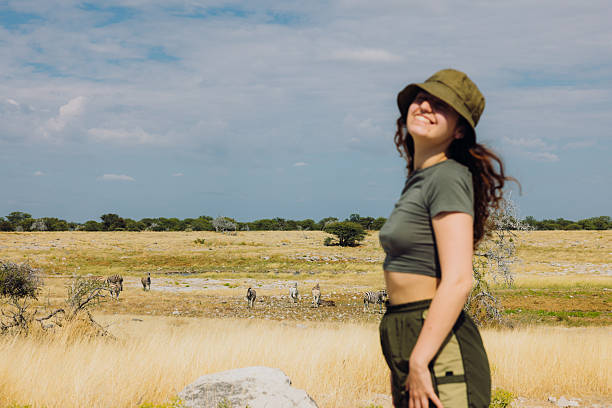
Explore at Your Own Pace
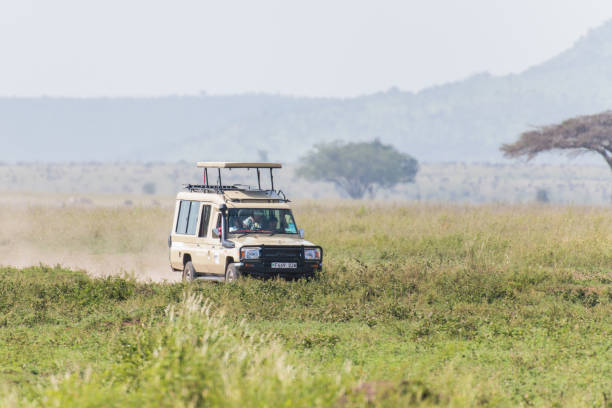
Local Knowledge When You Need It
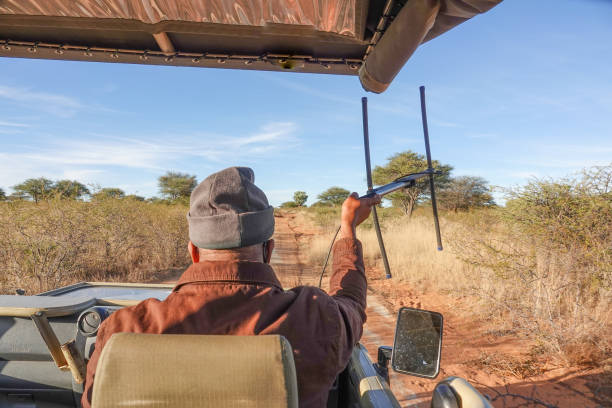
Why More Travellers Are Choosing Self-Drive Safaris in East Africa
Every traveller dreams differently.
Some enjoy the comfort of organised group tours where every detail is arranged for them. Others prefer the freedom to explore at their own pace, choosing where to stop, how long to stay, and what experiences matter most to them.
A self-drive safari isn’t simply about driving a vehicle. It’s about travelling independently, making your own discoveries and creating a journey that reflects your own interests. For many travellers, that freedom becomes one of the most memorable parts of the entire adventure. Self-drive safaris let travellers control their pace, spend more time at wildlife sightings, and often offer greater flexibility and value than fixed itineraries.
If you enjoy road trips, photography, nature, camping or exploring beyond the usual tourist routes, a self-drive safari may be one of the most rewarding ways to experience East Africa.
Travel at Your Own Pace
Better Wildlife & Photography Opportunities
A More Personal Adventure
Discover Places Beyond the Guidebooks
Greater Flexibility for Your Budget
A Journey You'll Truly Call Your Own
“The greatest advantage of a self-drive safari isn’t simply reaching Africa’s famous destinations—it’s having the freedom to discover the moments between them.”
Is East Africa Safe for First-Time Self-Drive Travellers?
This is probably one of the first questions you’ll ask, and it’s a good question.
The honest answer is that First Time Self Drive Safari East Africa requires preparation and common sense. Road conditions can vary considerably between cities, highways, rural areas and national parks, and conditions can change with weather. In some areas, night driving is best avoided because of limited visibility, pedestrians, livestock and other road hazards.
But that doesn’t mean you need to be an experienced African driver before you can enjoy a self-drive safari.
Many of the things that make a self-drive journey comfortable and safe come down to preparation: choosing an appropriate vehicle, planning realistic driving days, understanding the roads you’ll be using, knowing where you’ll refuel, carrying the right documents and equipment, and knowing who to contact if you need help.
That’s where good local advice makes a difference.
Before You Set Off
A successful self-drive safari begins before you collect the vehicle.
We recommend that first-time travellers understand their route, the type of roads they will encounter, the distances between destinations and the conditions they may experience along the way. Your vehicle should also match your itinerary rather than simply being chosen because it looks like a safari vehicle.
A route that works perfectly well with a standard vehicle on paved roads may require a capable 4×4 once you enter certain national parks, remote areas or challenging road conditions.
We’ll help you think through those decisions before your journey begins.
Once You’re on the Road
The best approach is simple: take your time.
East Africa isn’t somewhere you need to rush through.
Drive during daylight where possible, reduce your speed when road conditions deteriorate, allow extra time for unexpected stops and follow the rules of the country and national park you’re travelling through. Around wildlife, remember that you’re entering an environment where animals have priority. Follow park regulations and maintain a respectful distance rather than trying to get closer for a photograph.
You may encounter paved highways, gravel roads, potholes, muddy tracks, steep sections or roads where pedestrians and livestock share the route. That’s part of travelling through the region, and knowing what to expect makes the experience much less intimidating.
What If Something Goes Wrong?
This is another question first-time travellers often keep to themselves:
“What happens if I have a problem with the vehicle?”
It’s a reasonable concern. A flat tyre, mechanical problem, wrong turn or unexpected change in your itinerary doesn’t automatically mean your safari is over. The important thing is to have a proper plan before you leave.
That’s why we don’t see our role as simply handing you the keys and wishing you a good journey.
Before your trip, we can help you understand your route, the vehicle you’re hiring, the equipment available and the practical considerations for your journey. During your trip, you can also contact us when you need assistance or advice.
The goal isn’t to pretend that nothing will ever go wrong. The goal is to make sure that if something unexpected happens, you know what to do next.
You Don’t Have to Know Everything
If this is your first self-drive safari, you don’t need to know every road, every park or every possible situation before you arrive.
That’s what preparation is for.
You can start with a realistic itinerary, choose the right vehicle, learn the important local driving considerations and ask questions before you travel.
And if you’re unsure whether a particular route is suitable for a first-time self-drive traveller, ask us.
We would rather help you adjust your plans before the journey than have you discover a problem halfway through it.
A Note About Cross-Border Travel
Travelling between East African countries can be possible, but crossing an international border is different from simply driving from one town to another.
You’ll need to consider the specific entry requirements for each country, your passport and immigration requirements, vehicle documentation and the rental company’s permission and arrangements for taking the vehicle across the border.
For example, the East African Tourist Visa covers tourism travel between Kenya, Uganda and Rwanda, but it does not include Tanzania. Requirements can also change, so travellers should verify the latest official requirements before departure.
If your journey involves more than one country, tell us when you’re planning your rental. We can help you understand the vehicle and route considerations before you commit to the journey.
The Confidence You Should Have Before You Leave
You don’t need to be fearless to go on your first self-drive safari. You simply need to be prepared.
- Know your route.
- Choose the right vehicle.
- Understand the roads.
- Allow enough time.
- Respect wildlife and local communities.
- Know who to contact if you need help.
That’s the difference between simply hiring a vehicle and properly preparing for a self-drive adventure. And if you’re still wondering which East African country would be the best place to begin, that’s exactly what we’ll look at next.
Which East African Country Should You Start With?
There isn’t one perfect East African destination for every first-time self-drive traveller. Your best starting point depends on what you want from the journey.
Do you dream of watching lions and elephants across wide open savannahs? Are mountain gorillas the reason you’re coming to Africa? Do you want a classic safari combined with a longer road trip? Or are you looking for a shorter journey through a compact country?
Tanzania, Uganda, Kenya, and Rwanda can each offer a very different experience. Here’s a simple way to start thinking about them.
Kenya - Classic Safari & Wildlife
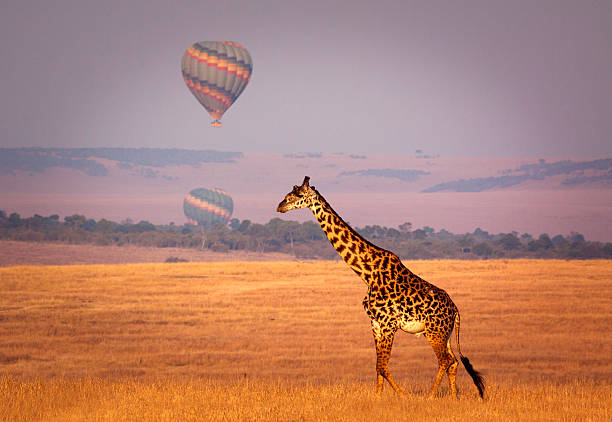
The Masai Mara, Amboseli and Lake Nakuru offer very different landscapes and wildlife experiences, while Nairobi provides a convenient starting point for many road journeys.
For a first-time traveller whose main dream is to experience a classic African safari, Kenya can be an excellent place to begin.
Consider Kenya if you want:
Classic safari + wildlife + the Masai Mara + Amboseli + an accessible first safari experience.
Tanzania - Big Wilderness & Iconic Safari
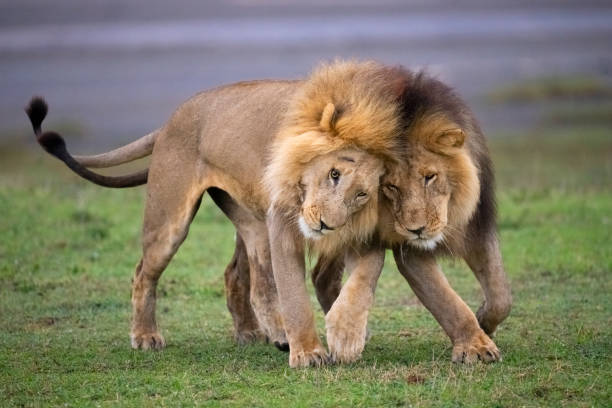
The Serengeti, Ngorongoro Conservation Area and Tarangire are major attractions, while Zanzibar provides an opportunity to finish a safari with time on the Indian Ocean coast. Tanzania is also particularly attractive if your dream involves a longer safari or a journey combining wildlife with other East African experiences.
Consider Tanzania if you want:
Serengeti + Ngorongoro + big wildlife landscapes + longer safari journeys + Zanzibar.
Uganda - Wildlife, Primates & Varied Adventures

You can combine wildlife experiences in places such as Murchison Falls, Queen Elizabeth and Lake Mburo with chimpanzee tracking, gorilla trekking, scenic drives and cultural experiences. For travellers who want a varied road trip rather than simply moving between major safari parks, Uganda can be an especially rewarding choice.
Consider Uganda if you want:
Wildlife + gorillas + chimpanzees + landscapes + a varied road trip.
Rwanda - Compact, Scenic & Gorilla Trekking
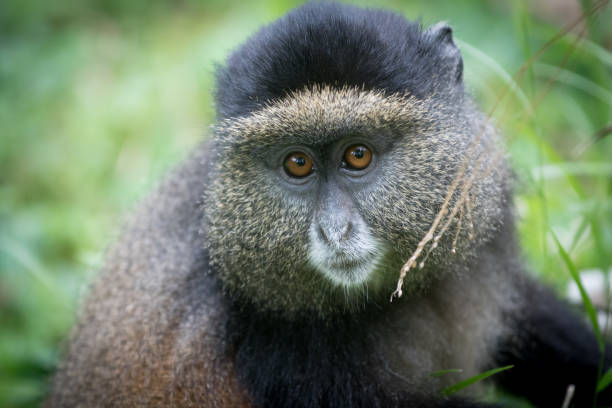
Known for its beautiful hills and mountain gorilla trekking in Volcanoes National Park, Rwanda can suit travellers who want to combine a shorter road journey with one of Africa’s most memorable wildlife experiences.
Its relatively compact size can also make it attractive to travellers who don’t want to spend many days covering huge distances.
Consider Rwanda if you want:
Gorilla trekking + beautiful scenery + a shorter, more compact adventure.
| If your priority is… | Start by looking at… |
|---|---|
| Classic wildlife safari | Kenya / Tanzania |
| Gorilla trekking | Uganda / Rwanda |
| Primates & varied experiences | Uganda |
| Big wilderness | Tanzania |
| Road-trip variety | Uganda / Kenya / Tanzania |
| Safari + beach | Tanzania / Zanzibar |
Choosing the Right 4×4 for Your Self-Drive Safari
Choosing the Right 4×4 for Your First Time Self Drive Safari East Africa
Once you’ve chosen your destination, the next question is usually about the vehicle.
And this is where we recommend taking a slightly different approach.
Don’t choose a vehicle simply because it is the biggest, most expensive or most popular one. Choose it because it suits the journey you’re planning.
A two-week road trip between major towns and well-maintained highways is very different from a safari that takes you deep into national parks, remote areas or muddy tracks. A couple travelling with light luggage has different needs from a family carrying camping equipment, while someone planning a multi-country journey may have different priorities again.
The right 4×4 should give you the capability, comfort and space you need without paying for features you don’t actually require.
What Should You Consider?
Before choosing your vehicle, think about five things:
- Your route: Which roads, national parks and remote areas will you visit?
- The season: Will you be travelling during a period when rain could affect some roads?
- Your group: How many people will be travelling together?
- Your luggage and equipment: Will you carry normal luggage, camping equipment, rooftop tents or additional gear?
- Your driving style: Are you mainly travelling between destinations, or do you want to spend significant time exploring inside parks and remote areas?
These questions usually tell us more about the right vehicle than simply asking which vehicle is “The Best.“
Comfortable 4x4 SUV
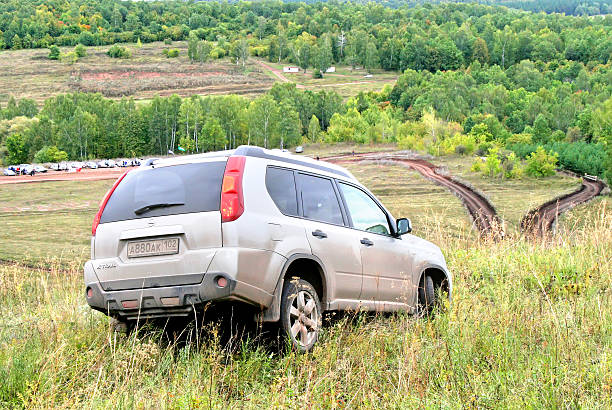
Suitable for travellers who want a capable vehicle for a combination of highways, towns and safari destinations without carrying a large amount of camping equipment.
Safari-Ready 4x4
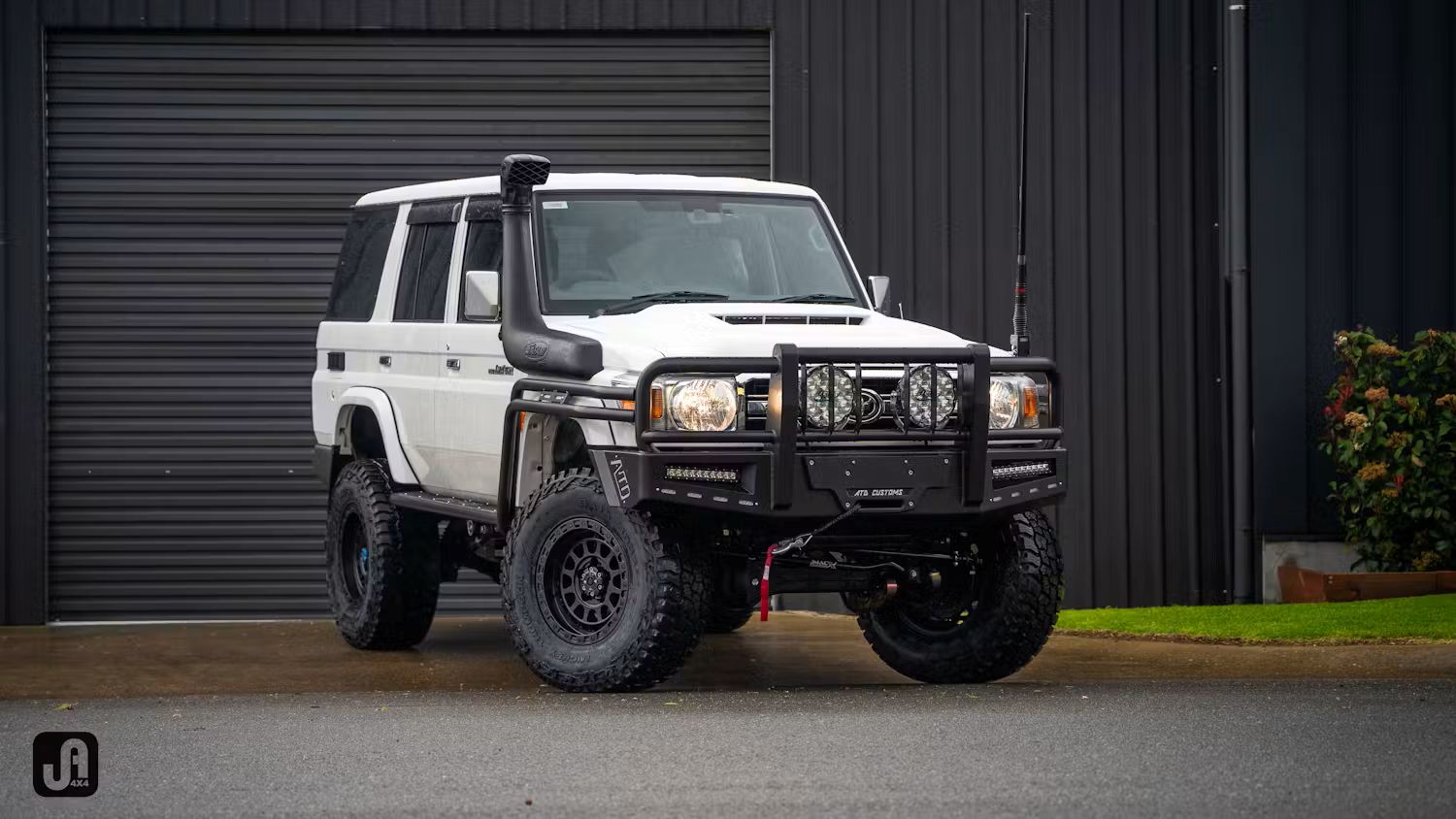
Greater ground clearance, capability and practicality can become particularly valuable when roads become rough or conditions change.
4x4 With Camping Equipment
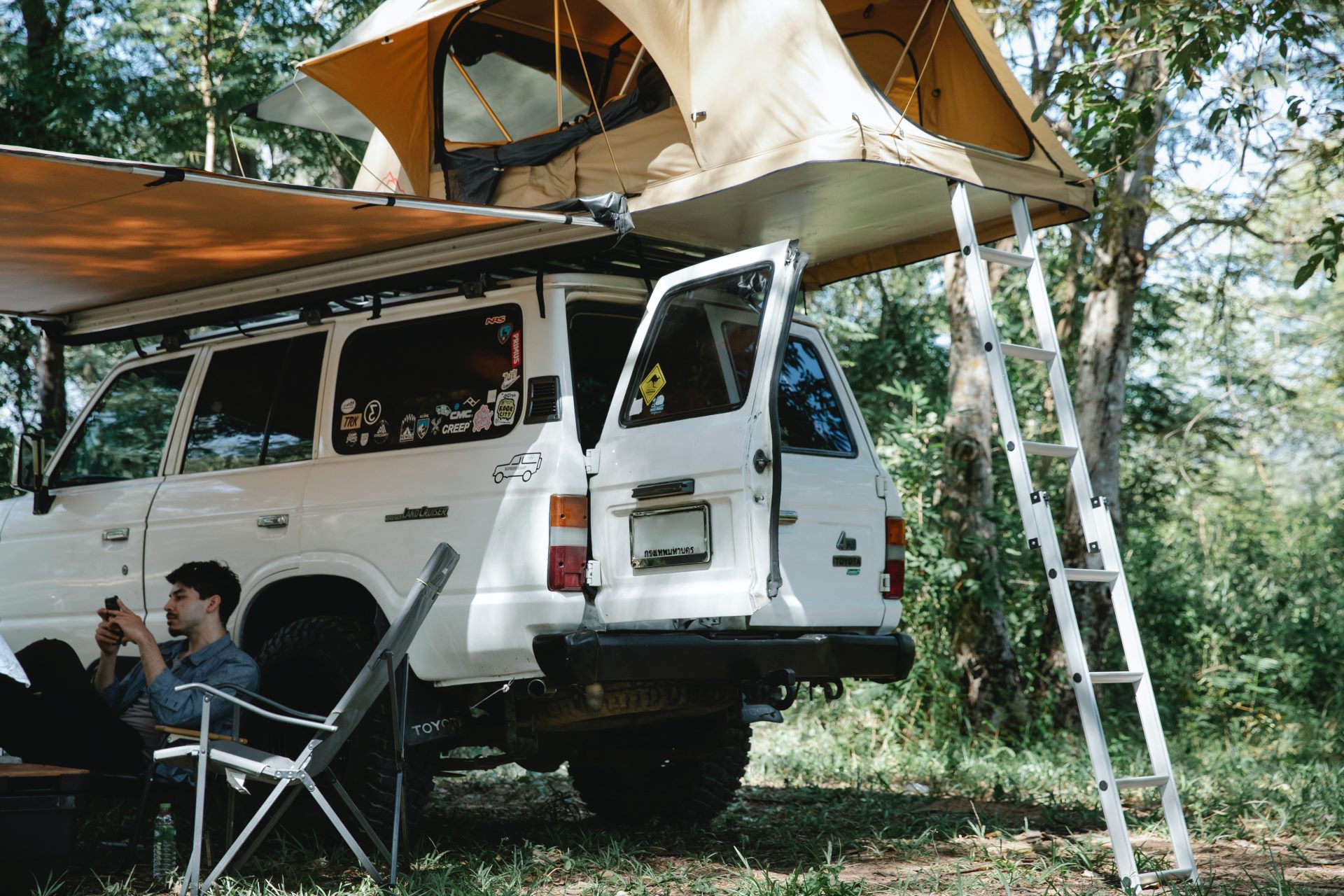
Depending on the vehicle and setup, camping equipment can include rooftop tents or ground tents together with practical camping gear.
Still Not Sure Which Vehicle Is Right for You?
That’s completely normal, especially if this is your first self-drive safari.
We’ve created a separate guide that goes deeper into the different 4×4 options, including what to consider for couples, families, camping trips, long road journeys and more demanding safari routes.
Read: Which 4×4 Should You Rent for an East African Safari?
Once you’ve chosen the vehicle, the next question becomes just as important:
How do you actually plan the route?
Because a beautiful itinerary on a map doesn’t always translate into a comfortable driving day in East Africa.
Plan the Journey, Not Just the Route
One of the easiest mistakes to make when planning your first self-drive safari is to look at a map and think:
“Those places don’t look very far apart.” East Africa can be deceptive.
A route may look simple on a map, but the actual journey can involve slower roads, traffic, stops for fuel, border procedures, wildlife areas, road conditions and unexpected delays. Even within one country, driving times between safari destinations can vary considerably. For example, published Uganda park-distance guides show substantial differences between routes such as Kampala–Lake Mburo, Kampala–Queen Elizabeth and Kampala–Bwindi.
So when planning your safari, don’t simply plan where you want to go. Plan how you want to experience the journey.
1 – Build the Route Around Your Priorities
Start with the experiences that matter most to you.
If gorilla trekking is the highlight of your trip, build the itinerary around that first. If the Serengeti is the main reason you’re visiting Tanzania, allow enough time for it rather than squeezing it between too many other destinations.
Your route should serve your priorities, not the other way around. Once the important experiences are identified, we can then look at what destinations make sense around them.
2 – Don’t Underestimate Driving Days
A driving day isn’t simply the number of kilometres shown on a map. You may stop for photographs, fuel, food, viewpoints or unexpected discoveries. Roads can also change as you move away from major highways and into rural areas or national parks.
That is why we recommend allowing some breathing room in your itinerary.
If every day involves a long transfer followed by another major activity, your safari can quickly become more about getting from one place to another than enjoying Africa.
3 – Give Yourself Time to Stop
Some of the best moments on an African road trip aren’t necessarily written into the itinerary. You may see a herd of elephants beside the road.
You may find a beautiful viewpoint. You may come across a local market.
You may simply want to stop, stretch your legs and enjoy the landscape. Leave room for those moments.
A journey that is planned too tightly can turn every unexpected stop into a problem. A journey with breathing space allows you to enjoy the unexpected.
4 – Think About Fuel Before You Need It
Fuel planning becomes increasingly important as you move into more remote areas.
Major towns and highways generally offer more opportunities to refuel, while remote safari areas may have fewer options. Some self-drive guidance recommends planning fuel carefully because stations can be sparse in remote areas.
A simple rule is:
Don’t wait until the fuel gauge is almost empty before thinking about the next fuel station. Before heading into a remote area, know where you expect to refuel and ask about the next reliable opportunity. This is one of the small details that can make a big difference to your peace of mind.
5 – Plan Around Different National Parks
National parks aren’t simply another destination on Google Maps.
Park opening hours, entry procedures, permitted driving areas, road conditions and wildlife regulations all affect how you should plan your day.
And once you’re inside a park, the objective shouldn’t always be to cover as many kilometres as possible.
Sometimes the best safari day is the one where you drive slowly, stop often and spend time watching what is happening around you.
Don’t measure a safari day by how far you travelled.
Measure it by what you experienced.
6 – Treat Border Crossings as Part of the Journey
If your itinerary involves more than one country, don’t treat the border as a five-minute stop on your route.
International travel involves additional documentation, immigration procedures and vehicle requirements. The exact requirements depend on the countries involved and can change, so they should be checked before departure.
Your rental company should also know that you intend to cross a border before the vehicle is handed over.
If you’re considering a Kenya–Tanzania, Kenya–Uganda, Uganda–Rwanda or other cross-border journey, tell us at the planning stage. The earlier we know, the easier it is to plan the vehicle and route properly.
Dream
Route
Vehicle
Driving Days
Accommodation
Safari
Don’t Try to See Everything
This may be the most important piece of advice we can give a first-time traveller.
- You don’t have to visit every famous park.
- You don’t have to cross four countries because they’re next to each other.
- You don’t have to make every day an adventure.
- If you have ten days, it can be better to experience three destinations properly than to spend most of those ten days driving between seven.
- The temptation is understandable. You’re travelling a long way to Africa, so naturally you want to see as much as possible.
- But your safari isn’t a checklist.
- Leave enough space to actually enjoy the places you came to see.
A Simple Way to Build Your First Itinerary
Start with these five questions:
1. How many days do I actually have?
Don’t count only the number of nights on the ground. Consider arrival, departure and the time required to collect and return the vehicle.
2. What are the two or three experiences I care about most?
Wildlife? Gorillas? Camping? Photography? Culture? Beaches? Landscapes?
3. Which destinations naturally fit together?
Look at the geography rather than simply choosing destinations individually.
4. Which days involve long drives?
Identify them before booking accommodation.
5. Where do I need flexibility?
Leave room for weather, road conditions, border procedures and the unexpected moments that make road trips memorable.
Travel With Support, Not Just a Rental Car
One of the great things about self-drive travel is the freedom. You decide where to stop, when to leave, how long to stay and which parts of the journey you want to explore. But freedom doesn’t mean travelling completely on your own.
When you rent a Safari Vehicle from us, our relationship with you doesn’t end when you collect the keys. We want you to have someone you can contact when you have a practical question, need clarification about your route or simply aren’t sure what to do next.
Before You Leave
Before your journey, we can help you understand the vehicle you’re hiring, the general route you’re planning and the practical considerations that may affect your trip.
Depending on your journey, this can include discussing your itinerary, vehicle requirements, camping equipment, border arrangements and other important details.
We’d rather answer a question before you leave than have you wondering about it halfway through your journey.
During Your Journey
But you’re not completely disconnected from us.
If you have a practical question about your rental or need to clarify something about the journey, you can get in touch with our team.
We cannot promise that every journey will go exactly according to plan, and we don’t pretend that it will.
What we can promise is that we’ll take your questions seriously and help where we reasonably can.
When Plans Change
You may want to change the number of days, adjust a route, spend longer somewhere you really enjoy or make an unexpected change to your plans.
Not every change will be possible, and some changes may involve additional costs or arrangements.
But the first step is simple: Talk to us.
We will look at the situation with you and explain to you what can be done and what cannot be done.
What We Can Help You Think Through
Depending on your trip, our team can help you with practical questions around:
Understanding the general journey and whether your planned route makes sense.
Making sure the vehicle you choose matches your trip travel plan.
Understanding the equipment and all you need if you’re planning to camp.
Discussing your plans early so the vehicle arrangements can be considered.
Helping you understand what may be possible if your plans change.
Sharing our local knowledge where it can help you make better decisions.
Learn Before You Travel
The questions worth answering before you start your journey
Planning a self-drive safari for the first time comes with a lot of questions.
Which 4×4 should you rent? How much should you budget? Is it better to travel during the dry season? Can you cross from one East African country into another? Should you camp? How difficult is the driving?
You don’t have to figure everything out at once. We’ve put together practical guides to help you understand the journey before you book your vehicle or start driving.
Some are detailed guides, while others are being developed as we continue building our travel library. Our aim is simple: help you make better decisions before you travel.
Before You Book
Which 4x4 Should You Rent?
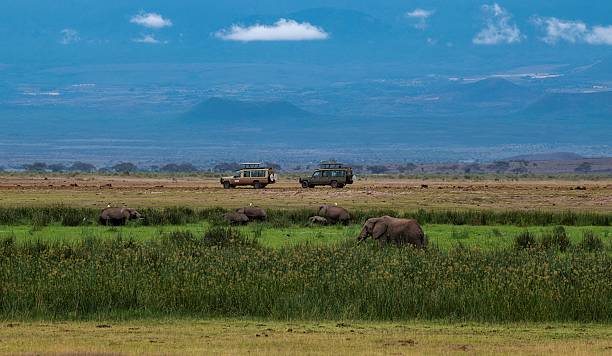
Learn what to consider when choosing a 4×4 based on your route
Consider group size, luggage, camping plans and the type of roads you’ll encounter.
How Much Does an African Safari Cost?
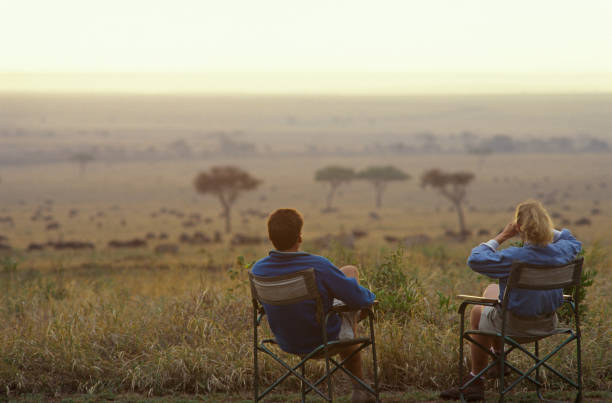
Learn what actually contributes to the cost of an East African safari so you can build a realistic budget.
Best Time to Visit East Africa
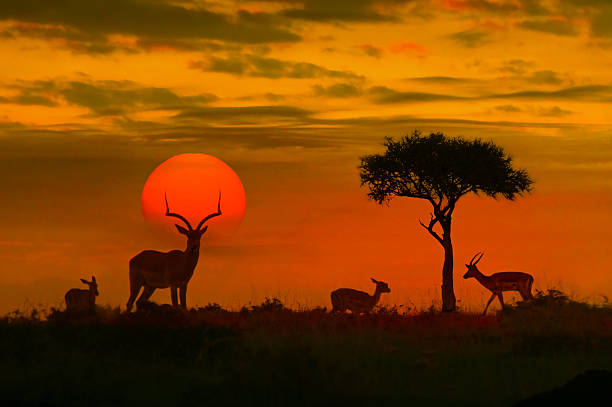
Wildlife viewing, weather, road conditions, gorilla trekking, beach holidays and different safari experiences can all influence when you should travel.
Before You Drive
First-Time Self-Drive Safari Guide
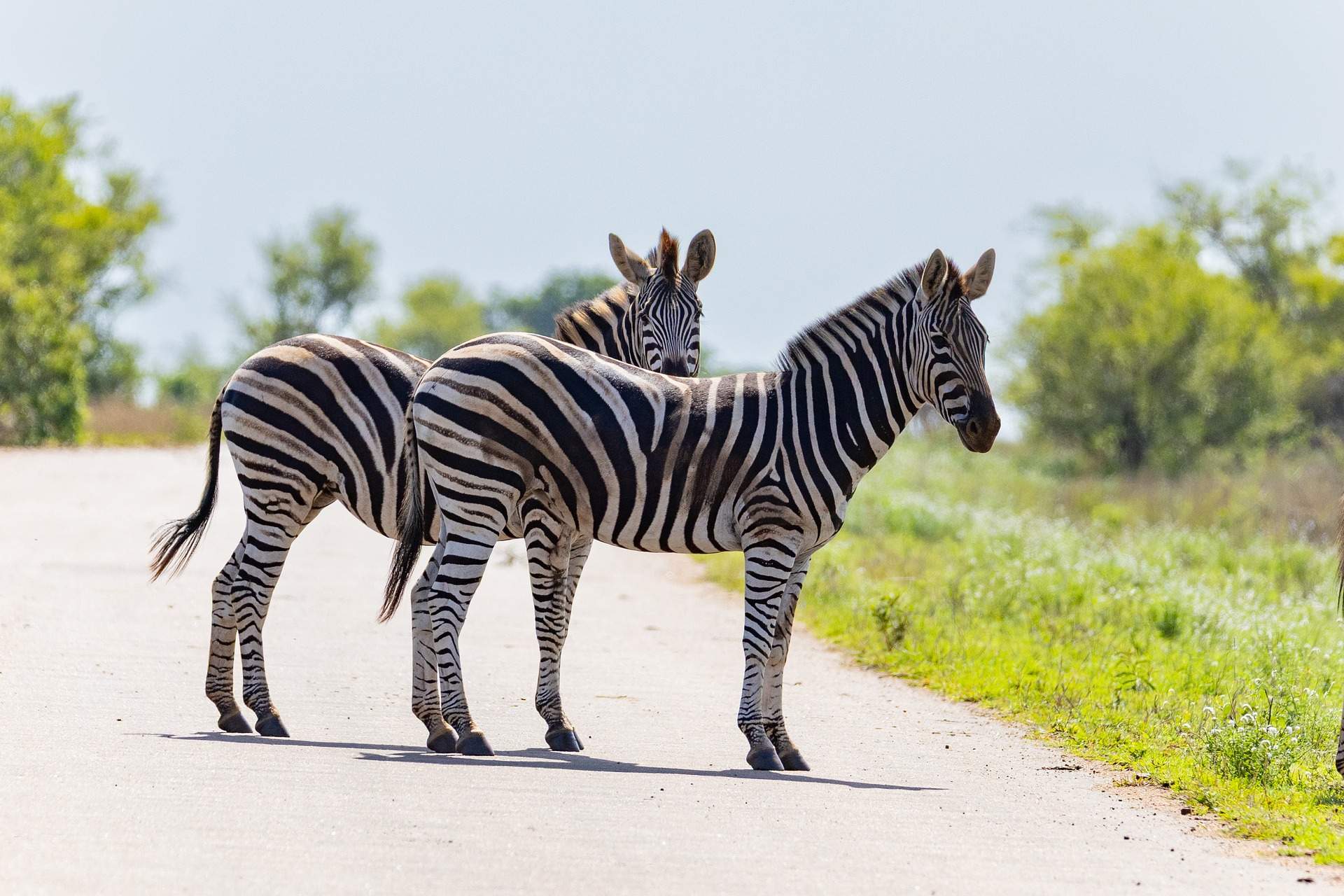
If you’re completely new to self-drive travel, this guide walks you through the important decisions, from choosing your destination and vehicle to planning your route and travelling with confidence.
Crossing East African Borders
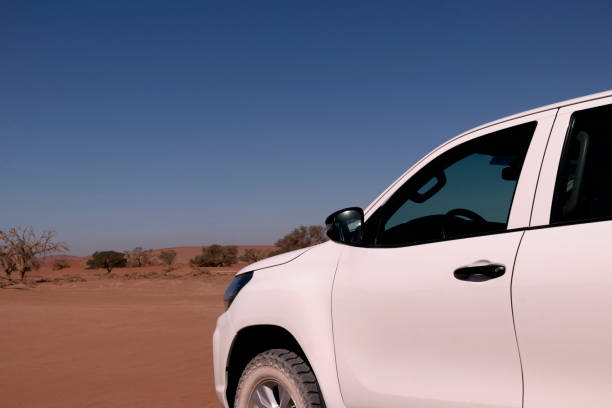
Cross-border travel requires additional planning around immigration, vehicle documentation, rental permissions and border procedures.
Start by understanding what needs to be considered before you add another country to your route.
East Africa Travel Guide
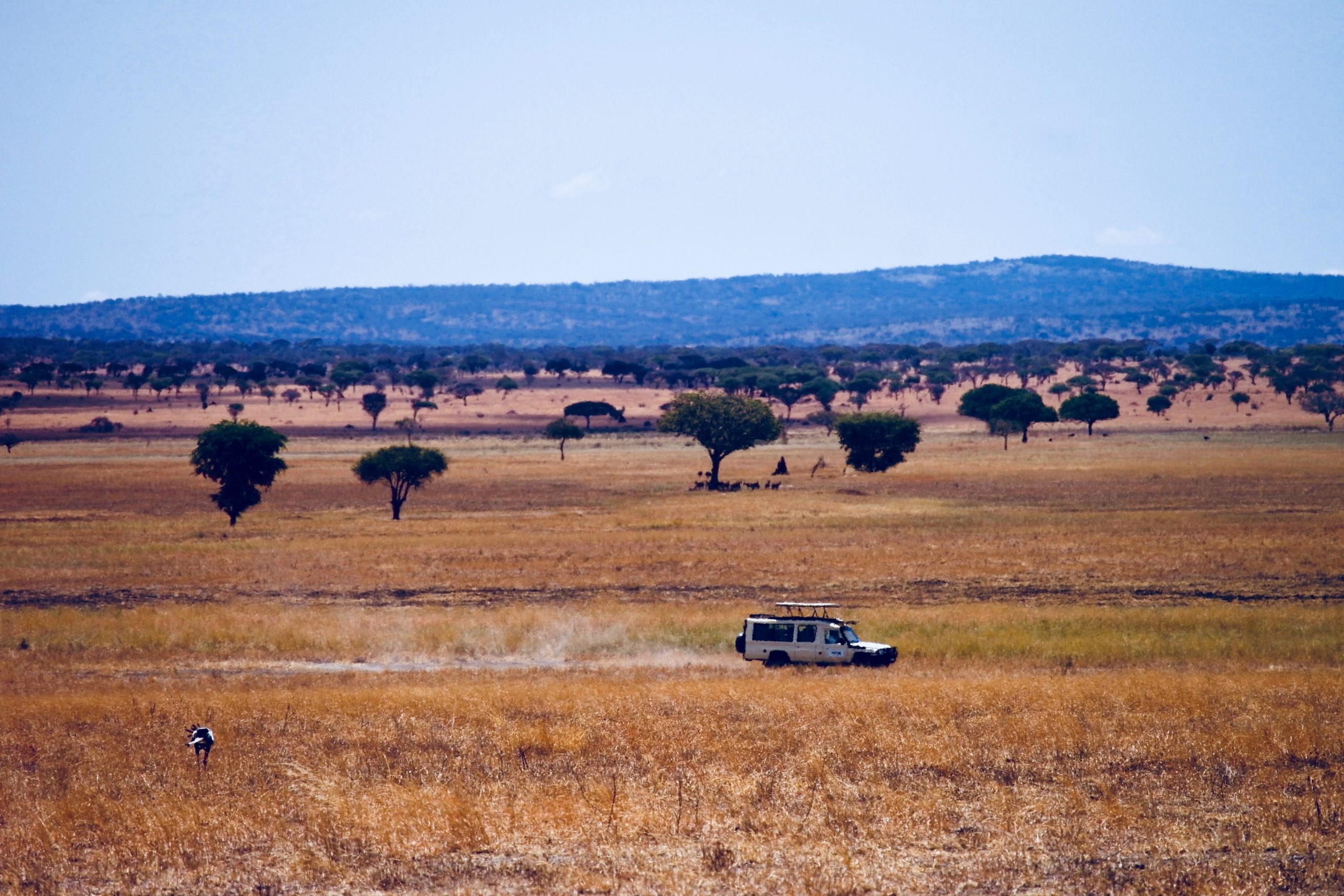
Our travel guides bring together practical information about destinations, routes, safari experiences, vehicles and planning so you can research your journey in one place.
Choose Your Experience
Camping Adventures
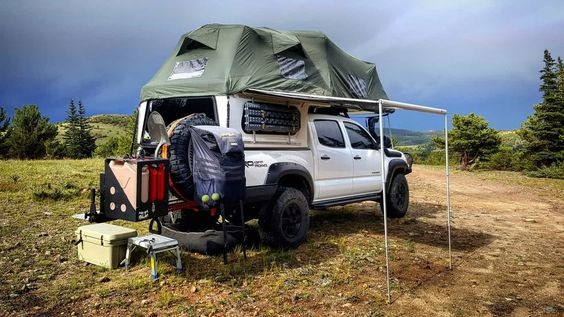
Learn about vehicles, camping equipment, routes and the practical side of planning a camping journey.
Wildlife Safaris
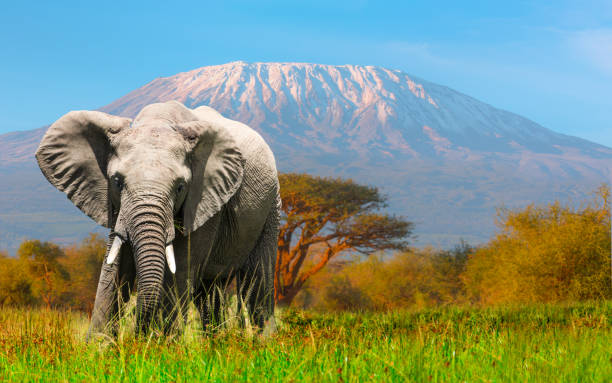
Learn what makes each destination different and how to plan your journey around the wildlife experiences that matter most to you.
Gorillas & Chimpanzee Trekking
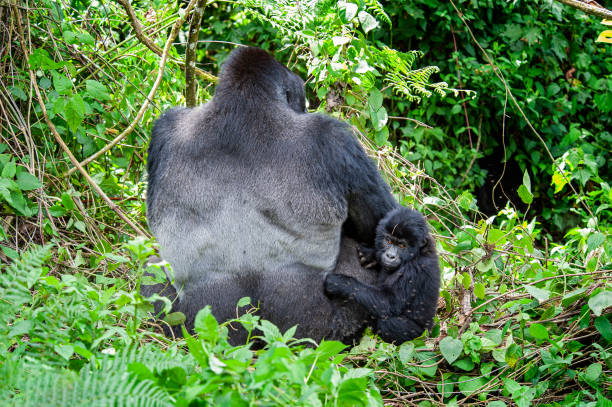
These journeys require specific planning, permits and preparation. Learn what to consider before making them part of your itinerary.
Planning something a little different?
Every journey is different. If you can’t find an answer in our guides, send us your route, travel dates and what you’d like to experience. We’ll help you think through the practical side of the journey.
Ready to Start Planning Your Journey?
By now, you may already have an idea of where you’d like to go on your First Time Self Drive Safari East Africa.
Maybe you’ve been dreaming about a self-drive safari through Kenya. Perhaps you’re thinking about Tanzania, Uganda or Rwanda. Maybe you want to combine several countries, camp along the way or simply have a vehicle that gives you the freedom to explore at your own pace.
You don’t need to have everything figured out before you contact us. Tell us what you’re thinking about. We’ll help you look at the practical side of the journey and work from there.
Tell Us About Your Trip
A few simple details are enough to get the conversation started:
Where would you like to travel? When are you planning to travel?
How many people are travelling? Would you like to self-drive, camp, or combine your trip with guided experiences?
You can send us a detailed itinerary if you already have one, or simply tell us what you’re dreaming about if you’re still at the beginning.
Let’s Start With a Conversation
We don’t expect you to know everything before contacting us.
If you’re unsure about the route, vehicle or number of days, tell us what you have in mind. We’ll help you work through it.
What would you most like to see or experience?
Your journey doesn’t have to be perfect before you ask for help.
It just needs a starting point.
Not Ready to Book Yet?
That’s completely fine.
Take your time, explore our travel guides
Come back when you’re ready.
A well-planned journey is worth more than a rushed booking.
Explore Our Travel Guides
Or Ask Us a Question